
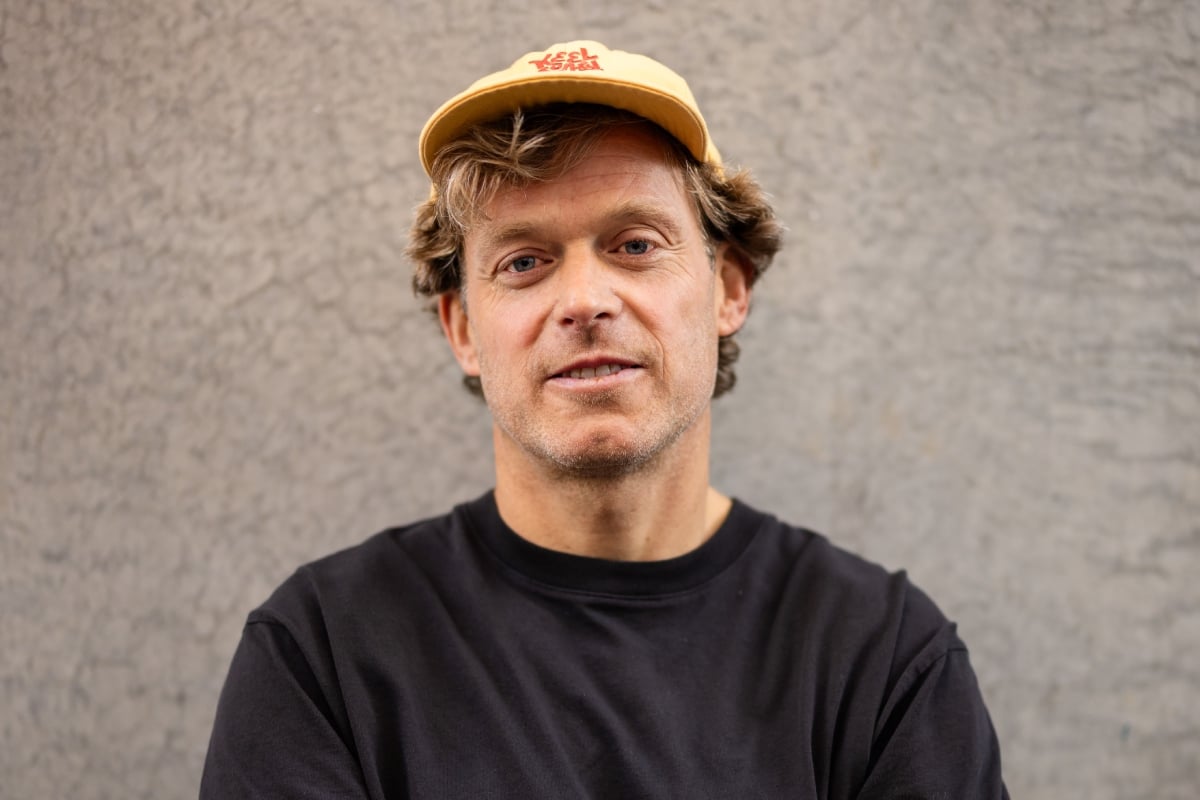
In the latest piece of the Keep Talking series on B&T, Ross Berthinussen reflects on his personal experiences growing up in the UK and his journey to becoming a leadership coach and founder of Human Things. It follows pieces by the likes of Pat Crowley, Kirsty Muddle, Tom Phillips and Ian Perrin, the man behind the series.
My parents divorced when I was nine and I moved hundreds of miles away, with my mum, two sisters, and new stepfather. It was billed as a fresh start. In reality it was the start of six years of emotional abuse for us all by a manipulative and troubled man. It contributed to a lifelong relationship with anxiety and an underlying lack of self confidence.
I developed an unhealthy relationship with drugs and alcohol in my late teens. This was pretty normal growing up in the UK in the mid 90s, rave culture was rife, Oasis topped the charts, hedonism was the epitome of cool and I was all in.
Don’t get me wrong, it was fun and I made lifelong friends off my face in clubs and fields and pubs but there was a darkness in my need to get as messed up as possible as often as possible.
I started working in advertising in my twenties, a few years at Grey London then almost a decade at BBH London, as a brand strategist.
Externally, I did well, easily slotting into the work hard, play hard culture. Internally, I suffered from bouts of imposter syndrome. Sometimes it was just a feeling. Other times, it was accompanied with anxiety and overthinking.
Mental health wasn’t really a thing then and it was a tough environment, incredibly pressured with an exceptionally high bar. I kept it to myself and soldiered on.
Overthinking in some ways made me a better strategist and leader. It’s interesting that the things that we label “bad” also have “good” in them.
As my craft and experience grew my confidence grew with it but these patterns still showed up when the pressure piled on.
Surfing had a profound impact on my mental health. I came to it in my late twenties at a time when I was growing tired of getting wasted. It’s a really grounding experience for me. We spend so much of our time thinking we are somehow separate from nature, immersing ourselves in it can help us realise how much a part of it we are.
I saw a therapist about eight years ago, I wish I’d done it sooner. It was super helpful to talk to someone deeply about my inner world.
When I was running 72andSunny, I worked with a leadership coach in San Francisco. I thought it would help me grow as a leader but quickly realised it would help me grow as a human.
I learned that mental health isn’t just a mental thing but something that lives in our bodies. I’d often felt a sense of unease around “power” and certain archetypes of men, which looking back is perhaps obvious from the relationship with my stepfather. I learned that this feeling of unease was my nervous system alerting me of threat, and the subsequent overthinking, a protection mechanism to try to keep me safe. Learning practices that calmed the nervous system would also ease the mind.
I discovered that imposter syndrome was a normal reaction to being in an environment that’s unknown to you, which also means you’re growing and learning. And one of the best ways to deal with it is the most counterintuitive, to share how you’re really feeling with someone.
I learned more about human consciousness. That, through practices like meditation, we can build the capacity to be more present and all the benefits that come with that – openness, creativity, connection. That we can learn to observe our thoughts and our feelings, helping us disidentify with them and the suffering they can bring.
It had such a big impact on me that I retrained to become a coach. Now working with execs in our industry and beyond, I’ve seen first hand that in pressured situations it’s a normal and human reaction to feel the stress in our nervous systems. That these sensations in our bodies, trigger in all of us protective patterns that we’ve learned in our lives, that impact how we think, feel and act.
Perhaps we make ourselves small, or big, perhaps we throw ourselves into our work, perhaps, like me, we retreat into our thoughts, to try to think our way out of the situation.
I’ve learned that these patterns, rather than something that is wrong with us, are an essential part of being human. And with the right awareness, compassion and practices we can find ways to relax our grip on them and bring more of ourselves to the world.