



NIVEA has turned to local storytelling to reconnect its global skincare brand with Australian consumers, with a locally developed campaign delivering a 64 per cent uplift in purchase intent for its Q10 range.
The campaign, developed in partnership with Are Media across The Australian Women’s Weekly and marie claire, marked one of NIVEA’s first locally created content campaigns in years, moving beyond its traditionally performance and social-led approach.
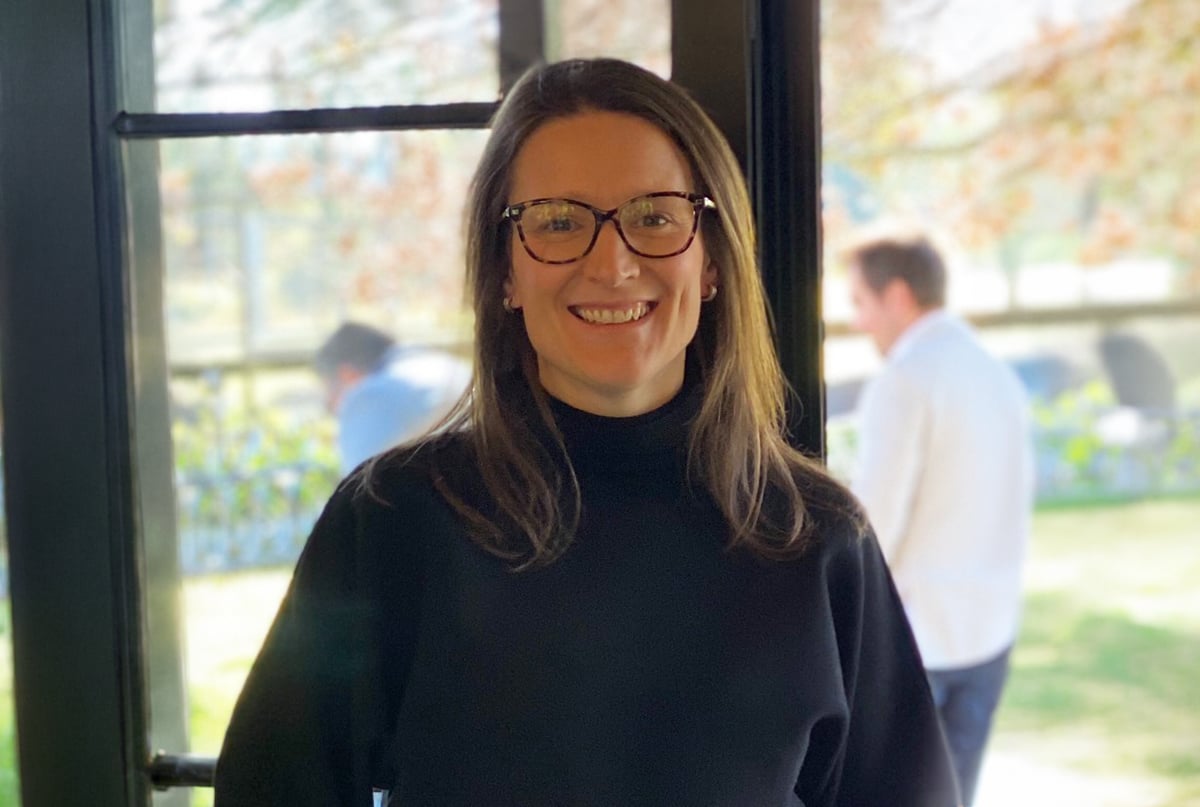
Speaking on Are Media’s Content Conversations, a series exploring how marketers use content to drive business results, NIVEA Skincare head of brand Claire Barnett said local relevance was key to bringing the global brand to life.
“What’s really key is how we bring our brand to life in the local market. Every market has different consumer needs, different competitors, different landscapes that you’re working with,” Barnett said.
With more than a century of heritage and strong brand awareness already established, the challenge for NIVEA was to give consumers a fresh reason to consider its products in an increasingly crowded skincare category.
The campaign tapped into the influence of intergenerational skincare rituals and recommendations, bringing together filmmaker Gracie Otto and her mother Sue Hill, alongside Australian model Samantha Harris and her mother Myrna Davison.
The mother-and-daughter duos explored the shared skincare habits and trusted advice that influence how women discover and choose products.
“How do we bring this to life, not just with a straight product ad?” Barnett said.

The partnership brought NIVEA Q10’s face and body ranges together under a shared consumer insight, with tailored executions across print, social and digital content designed to resonate with the distinct audiences of The Australian Women’s Weekly and marie claire.
“For us, it allowed the storytelling to be done in a way that different audiences would want to consume their media,” Barnett said.
The campaign delivered a 64 per cent uplift in purchase intent among women aged 35 and over, with 77 per cent of those exposed saying they were more likely to buy NIVEA Q10 for themselves.
It also recorded a 63 per cent uplift in top consideration, while 65 per cent of those exposed said they took direct action after seeing the campaign.
The results extended to recommendation and gifting, with 63 per cent more likely to recommend NIVEA to friends or relatives, representing a 75 per cent uplift. Meanwhile, 51 per cent were more likely to purchase NIVEA Q10 for someone else, a 113 per cent uplift.
Barnett said the campaign’s ability to connect with different audiences, rather than relying on one overarching execution, was central to its success.
“I think what helped us do that is we obviously had a general concept across the campaign, but how we executed with the different brands to resonate with the audience was key,” she said.
She also pointed to the importance of bringing partners into the creative process early, allowing each to contribute its respective expertise.
“We’re the experts in our product, but you guys are the experts in storytelling and creating that content,” Barnett said.
“Myself and the team have been so happy with how it was all delivered, not only from what the end result was, but actually the whole process that we went through as well.”
For NIVEA, the campaign highlighted how a global brand can use locally relevant storytelling to build on existing awareness and move consumers further along the path to consideration and purchase.


