Trigger warning: This piece includes references to suicide and mental health struggles. Please take care when reading.
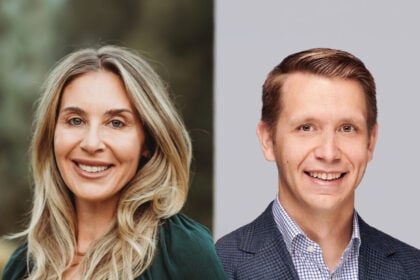
Hot Takes is Spark Foundry Australia’s new sharp, culture-savvy editorial series where strategists unpack human behaviour through candid conversations with thought leaders, stakeholders and commentators—serving up fresh perspectives that flip the convention and spotlight what really moves us. In this op-ed, David Dalgarno, group strategy director at Spark Foundry Australia, spoke with Luke Bateman, author, creator, podcast host and former NRL-player.
As the manosphere gains ground by offering young men certainty and status, brands face an uncomfortable question: what is our responsibility?
An unresolved conversation
There is a lot of talk about how modern masculinity is changing. Healthy masculinity, positive masculinity, even ‘reclaimed’ masculinity are all terms bandied around. And yet, something still feels unresolved.
Part of the problem is that every new version still asks men to do the same thing: be something. Be stronger, but softer. More open, but still resilient.
That pressure creates a vacuum – one quickly filled by voices offering clarity, certainty and rules. Often loud, often polarising. But comforting, precisely because they are simple.
The enticing nature of certainty
When I spoke with Luke Bateman, he pushed back on this framing altogether.
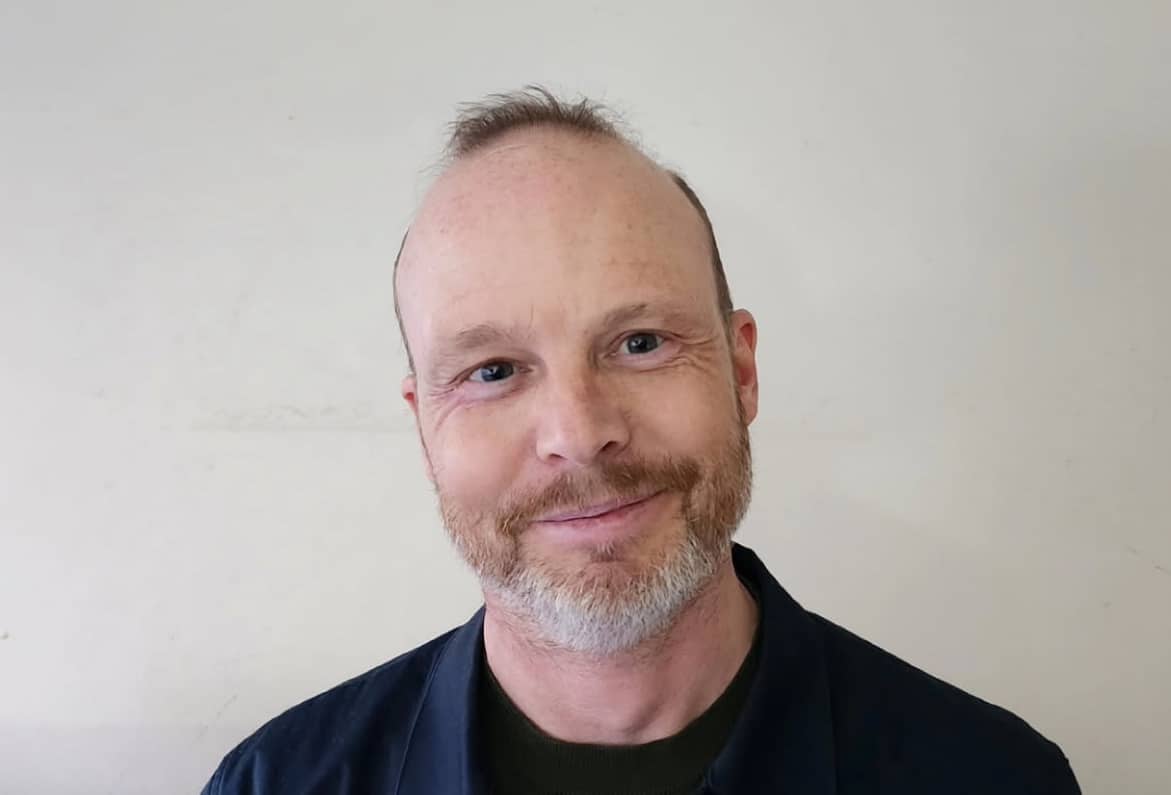
Bateman has lived a series of very public lives – former NRL player, reality TV contestant, and now an author, ‘BookTok’ creator and host of the In the Good Books podcast.
“As soon as I hear the word masculinity, I have an issue,” he told me. “It’s intangible, undefinable and immeasurable.”
His point wasn’t that men shouldn’t grow or change. It was that we keep trying to solve the problem by redesigning the box, rather than questioning why the box exists at all.
Growing up inside the box
Luke grew up in Western Queensland, surrounded by farming culture and rugby league. An environment where worth was measured by endurance, effort and silence. Emotions weren’t banned; they just weren’t rewarded.
“You were judged on how good you were at shutting up and doing your work,” he said. “There’s value in that, in a sense. But it’s a very rigid narrative.”
That rigidity followed him into sport. Competition over connection. Winning over relating. Certainty over curiosity. A world where there was little room for ambiguity.
What struck me was how familiar it felt. I grew up in an all-boys private school where masculinity was framed as ambition and discipline. There was little room for vulnerability, especially for an effeminate boy like me.
Luke remembers sitting in locker rooms as a teenager, listening to boys tear each other down under the banner of banter, and thinking, “I hate this”. Not because he couldn’t handle it, but because it felt wrong.
And yet he stayed, because sport also gave him identity, belonging and a sense of order.
A system that ‘works’ and fails men simultaneously
At the height of his external success, that rigidity eventually caught up with him.
“I had a great income. I was living a dream,” he told me. “And yet I wanted to kill myself.”
It’s a confronting sentence and one that debunks a dangerous assumption: that masculine success protects men from harm. Sometimes the system works exactly as designed and still leaves people unsafe inside themselves.
“I hate seeing [men] reduced to stereotypes or screamed at from all sides. We have a lot of pain, and we carry it quietly.”
If he had to describe an ideal future, he wouldn’t call it modern masculinity at all.
“It would just be fully integrated humanity.”
Not a new label. Not a better version of manhood. Just the full expression of being human – strength without suppression, care without qualification, and emotional range without apology.
There’s something quietly hopeful in that idea, especially at a moment when certainty is being sold so aggressively to men and boys still figuring themselves out.
Maybe the most progressive move isn’t to keep rebranding masculinity, but to loosen our grip on it, giving it less power over how men see themselves. Because growth rarely comes from being told what to be. It comes from being allowed to be more than one thing at once.
What this means for brands
Brands have already navigated a shift like this before. As feminism continued to broaden the definition of femininity beyond beauty, perfection, and passivity, the brands that helped drive the change didn’t replace one narrow ideal with another.
Dove’s Real Beauty platform and Barbie’s recent reinvention can teach us a lot here. The lesson is widening the frame. For brands looking to be part of the movement, consider the following:
Resist certainty theatre
Oversimplified male archetypes mirror the same dynamics driving polarisation elsewhere. Ambiguity can feel more human and more trustworthy.
Offer a spectrum of alternatives
This is brands embracing ‘intelligent disobedience’ in action. Making an informed choice to resist the easy, stereotypical version of masculinity to widen the stories men see reflected back at them. Rather than prescribing a new ideal, brands can expand the range of ways masculinity can be lived.
Make space for complexity
The most enticing cultural narratives aimed at men offer clarity, hierarchy and someone to blame. Strong brands make room for uncertainty instead of rushing to resolve it.