



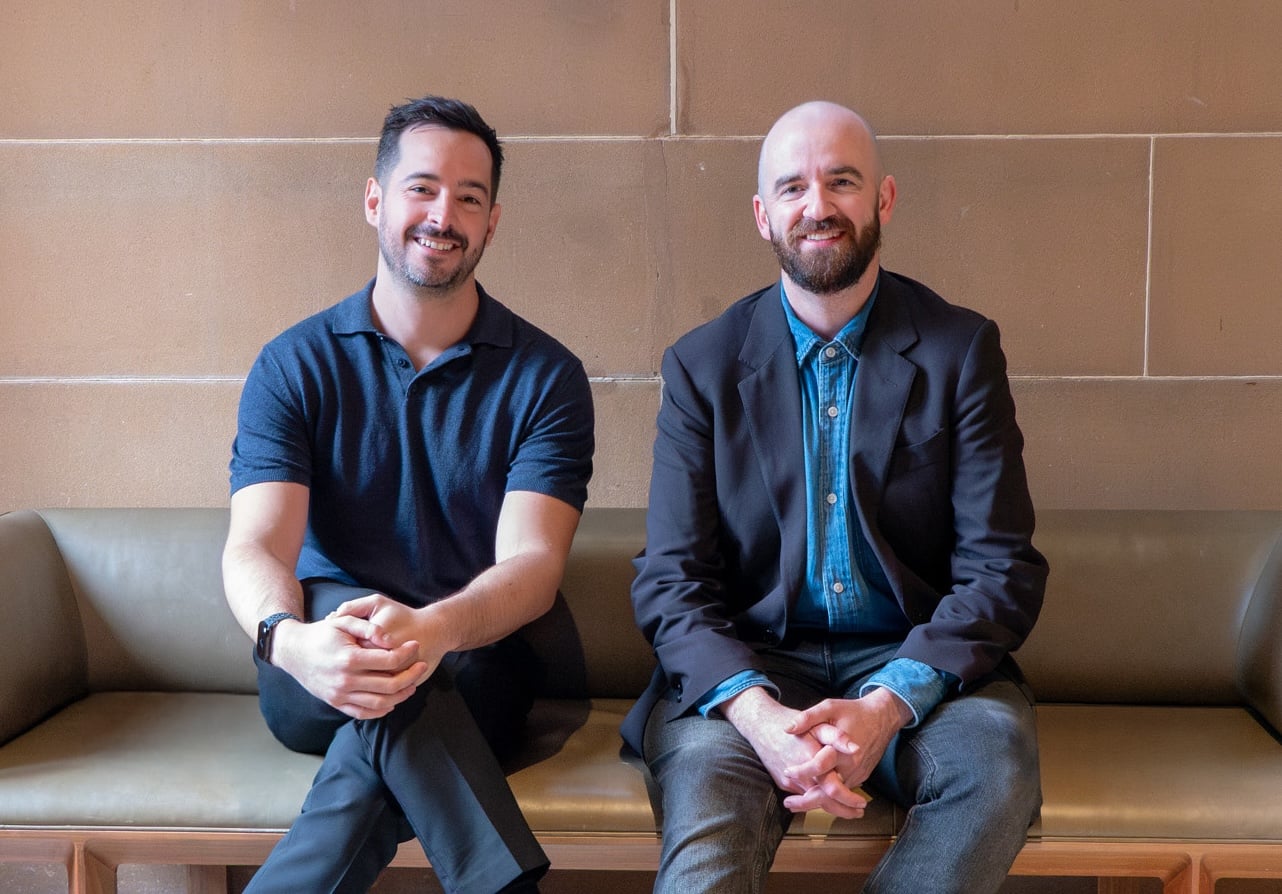
Two-thirds of Australians are willing to use an AI-only service from a brand, but only if it costs less and works better than what they get now. That is one of the key findings in new research from media agency Atomic 212°, which challenges the idea that consumers are resistant to AI.
The Cost of Convenience report is based on a survey of 1,005 Australians conducted in March 2026 by Sonar, the agency’s research tool. It covered five consumer categories: retail, banking and insurance, automotive, utilities and travel.
Sixty-three per cent of the people surveyed said they would accept an AI-only service at a lower price point than what they pay now. Among people 18 to 34, that figure climbs to 80 per cent; among people aged 55 and over, it is 51 per cent.
Sonar found that savings of 10 per cent to 20 per cent were the threshold at which most people will consider switching to an AI-only service. The new research comes as Australians’ adoption of AI continues to grow rapidly.
According to research from Google and the Australian Research Council, 60 per cent of adult Australians are now using AI, up from 5 per cent in 2022.
According to the Publicis Sapient 2025 Digital Citizens Report, the most common use of AI among Australians is finding information and answering questions, cited by 42 per cent of respondents.
Image generation was second at 24 per cent, followed by understanding news and current events (22 per cent) and education and learning (21 per cent).
Despite rapid adoption, most Australians are only scratching the surface of what AI can do. The Australian Digital Inclusion Index 2025 found that 83 per cent of generative AI outputs produced by Australians are text-based, suggesting the vast majority of users have yet to move beyond the most basic applications.
Sonar found that people are broadly positive about AI, as long as it improves their experience rather than substituting for human judgment when it matters most. Eighty-four per cent expect to know when they are dealing with an AI service, 40 per cent want a clear path to a human if things go wrong, and 32 per cent want transparency around how decisions are made.
The research found 47 per cent of people said 24/7 availability was a key reason they would switch to an AI-only service, while 40 per cent said lower prices and 32 per cent said faster service.
“The debate about whether Australians are ready for AI-powered brand experiences is over. But what people want in return for switching to AI services is very clear: lower prices, faster service and the reassurance that a human is available when things go wrong. The brands that meet those needs will do well,” said Atomic 212° chief executive officer, Rory Heffernan.
Atomic 212° chief strategy officer, Asier Carazo, said the AI services that are not succeeding share some common flaws.
“The AI applications that have failed were cost-cutting exercises,” he said. “They replaced humans without fixing anything that was actually frustrating consumers. Meaningful AI innovation has to meet consumer needs and deliver efficiency. Focusing on efficiency alone isn’t going to work.”