



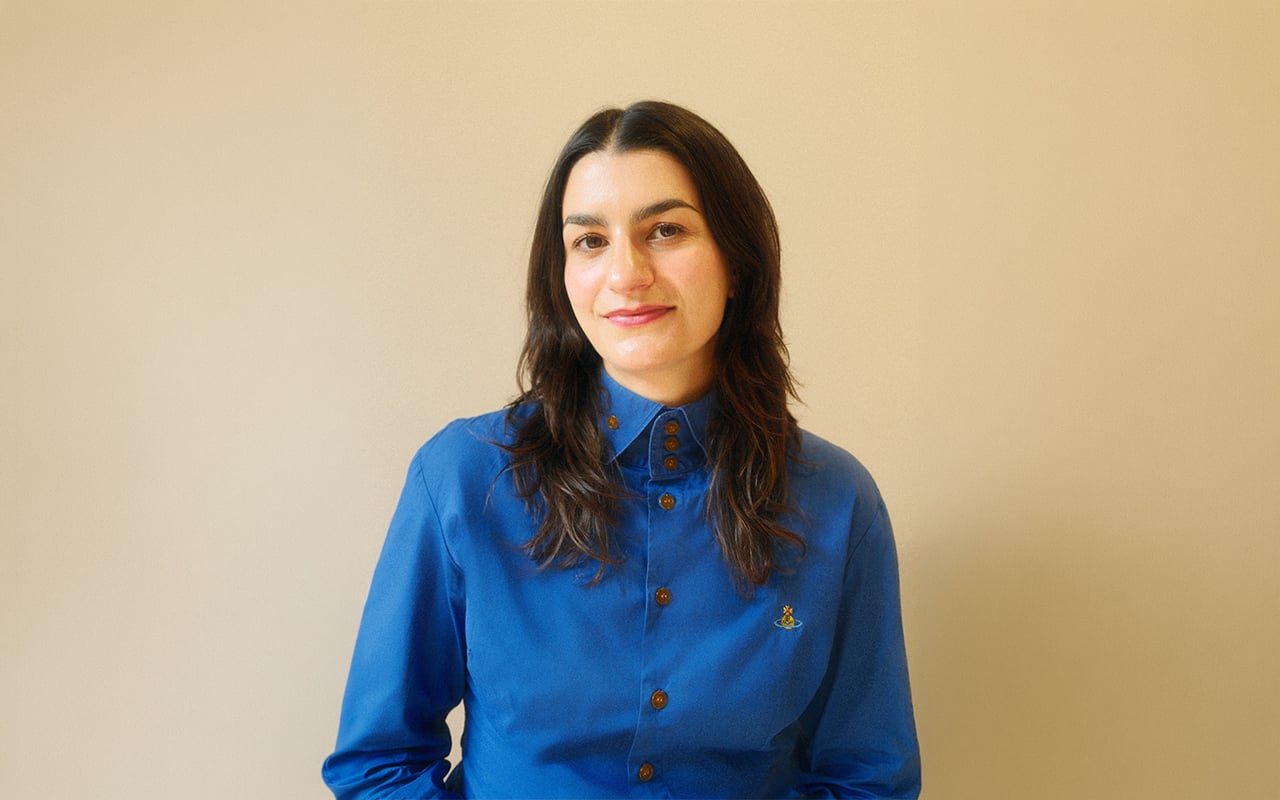
In this exclusive op-ed by Kate Langham, copywriter at Saatchi & Saatchi and premium brand agency Publicis Team One, she highlights what those in the creative industry can take away from the 90’s cult classic, the Blair Witch project. In this piece she describes how the roadblocks to our creative vision are the things that push us to make better work, and what we can learn from a film that, given the challenges it faced, shouldn’t have made it big.
Creatives like to complain. A lot.
The brief’s not clear.
The budget’s not big enough.
There’s more feedback?
For professional problem solvers, we sure do like to make a big ‘ol fuss about the things that appear to get in our way.
I say appear because actually some of these constraints that present as roadblocks to our creative vision are actually the very things that can propel us towards better work. And with the presence of AI, shrinking client budgets and dispersed audiences, these constraints are only going to get more present. So we’ll need to find ways to turn them into creative fuel.
Enter: the Blair Witch Project.
You may ask, what does the story of three snotty-nosed students, lost in the Appalachian Mountains, while trying to uncover the myth of the Blair Witch, have to do with advertising?
Well, this psych-horror, pseudo-doc, found-footage film is not only a terrifyingly entertaining watch, but it’s also a masterclass in turning problems into creative opportunities and taking risks by doing something that’s never been done before. Because this was not your standard Hollywood movie success story – far from it. But it still went on to be one of the most profitable independent films in history, grossing a gargantuan $248.6 million worldwide with a budget of less than $100k. Which is where our first lesson begins…
Don’t let the budget dictate your ambition
A ‘small’ budget doesn’t mean a small approach – it just has to be smart.
The brainchild of Daniel Myrick and Eduardo Sánchez, the Blair Witch Project was far removed from the multi-million dollar budgets of Hollywood. Far, far removed. Scraping together their own savings and the funds from a few minor investors, these fresh-faced film grads had a total budget of around $65k. Pocket change in the movie biz. But did they let the budget get in the way of their ambition? Hell, no! They adjusted. They found solutions. They used it to their advantage.
The reason we never see the actual Blair Witch? There was zilch in the budget for costumes, hair and makeup, and VFX – but the fact we don’t see the witch makes it all the more scary. The reason they used black and white film for the documentary sections and real digi-cam footage for the woods? Film is expensive, digi-cam is not, so of course they couldn’t use film for the whole thing. Without this approach, it would have a different feel entirely.
Experiment with ways of making
If it hasn’t been done before, you’re probably on to something.
Without years of experience in film-making, Myrick and Sánchez weren’t concerned with how things should be done. Instead, they asked: how can we make this as real and powerful as it can be? ‘Real’ is the key word here, because almost everything we see in the film is real. The actors, who used their real names – Heather, Mike and Josh – really were dropped in the woods to camp for two weeks, and they really did film every moment themselves. They were instructed to stay in character throughout – no script or live direction. Although there were story points and a hiking route, they were otherwise left to their own devices.
As a result, the performances we see are palpably alive with very real emotions. The tensions between the characters, the fear, the sleep deprivation and hunger – none of it was acting. Heather’s iconic monologue was entirely improvised, even down to how she decided to hold the camera.
Of course, making a film this way is a big risk. You need trust by the truckload. But the pay-off was entirely worth it. In advertising, we have rules, processes and systems for how we should do things… but we should always explore outside of this by experimenting with new and unexpected styles of making that elevates the work.
Get comfortable with pivoting
Making the best work often means making changes right up until dispatch.
The original treatment for the Blair Witch Project was almost a different film entirely. The premise was the same but the focus was primarily on the documentary element, rather than the found footage of the lost film-makers.
But, as often happens, it all changed once they got into the edit. You can plan, prep and shoot with a certain vision in mind, but how it comes together is another story. Rushing towards their Sundance screening, Myrick and Sánchez made the bold decision to cut almost all of the documentary scenes. Without this last-minute pivot, it wouldn’t be the movie we see today.
As creatives, we work on ads for months and months at a time, with most of that time in the lead up to the actual production. Every detail is orchestrated, every second is considered. Then we get into the edit suite and see the first cut… and something isn’t quite working.
So, we’ve got to try another way. Move this shot here and that shot there. Rewrite this bit and shift that bit. Sometimes we have to smash it up and start again. But all this pivoting is part of the process: it’s how we make the work shine.
Always have the headline in mind
How you get something out into the world is just as important as getting it made.
Although epic in its own right, the Blair Witch wouldn’t have been such a success if it hadn’t been for the marketing campaign that launched it. Following its initial screening at Sundance, the film got the backing of a distributor called Artisan, who spearheaded the campaign that put the film out into the world. It was Artisan who decided, very cleverly, to launch this film as though it was a real story.
They created a fake documentary titled ‘The Curse of the Blair Witch’ which aired on the Sci-Fi channel, they plastered cars with missing posters for the three actors, and they created a website filled with fake police reports, evidence and news stories. They even got IMDB to list the actors as deceased and stopped the actors from attending the film’s screening at Cannes. You can’t attend a premiere if you’re dead, after all. And the public really believed it. Really, really believed it. So much so that the police got in contact with the film-makers, and Heather’s mum received condolences.
This launch campaign has gone down in history as the very first viral marketing campaign. This same logic applies to our world, because even the best piece of advertising means nothing if nobody sees it. Even if it’s not a PR idea, we should always be thinking about the news story our work could generate. What’s the angle? Why should people care? Why is this piece of work exciting at this exact time? Without eyeballs, the work’s not going to do its job.
So now you’ve heard the (very condensed) story behind the Blair Witch Project, I urge you to go forth and attack every brief with the same renegade positivity that Daniel Myrick and Eduardo Sánchez employed while making this movie.
See roadblocks as opportunities for a creative side quest. Let the ‘small’ budget open you up to low-fi, high-impact ideas. When things feel uncomfortably different, run into the heart of the unknown.
Be relentlessly unrelenting till the very, very end. And if you haven’t seen the Blair Witch Project, what are you still doing here?


