
Over half of Gen Z Australian’s are switching brands due to the lack of inclusion, and almost half can’t name a single brand currently involved in disability representation, according to a new report.
It comes as one in five Australian’s are living with a disability – with the annual household spend of the market segment totals over $13 trillion.
The new Inclusion Imperative Report also found 19.4 million Australians are demanding accessible media, which can be as simple as including captions, audio descriptions and alt text.
Developed by Inclusively Made in partnership with Bupa Australia and Atomic 212°, the Australia-first report makes the commercial case for authentic disability representation, demonstrating the way inclusion is shaping the Australian market and the revenue lost by brands that ignore it.
While Australians are seeking brands that value disability inclusion, 49 per cent cannot name a single brand doing disability inclusion well. The demand is real and the competitive space remains open for authentic representation, not just a tokenistic gesture.
Brands looking to capture the Gen-Z market are at even more risk of losing this key audience segment with over half (53 per cent) of 18-24 year olds are more likely to switch to a brand that advertises more inclusively, followed closely by millennials (50 per cent).
“This research provides indisputable proof that inclusion drives business performance. Authentic representation is a strategic growth lever, not a charitable gesture,” Paul Nunnari PSM, CEO of Inclusively Made, said.
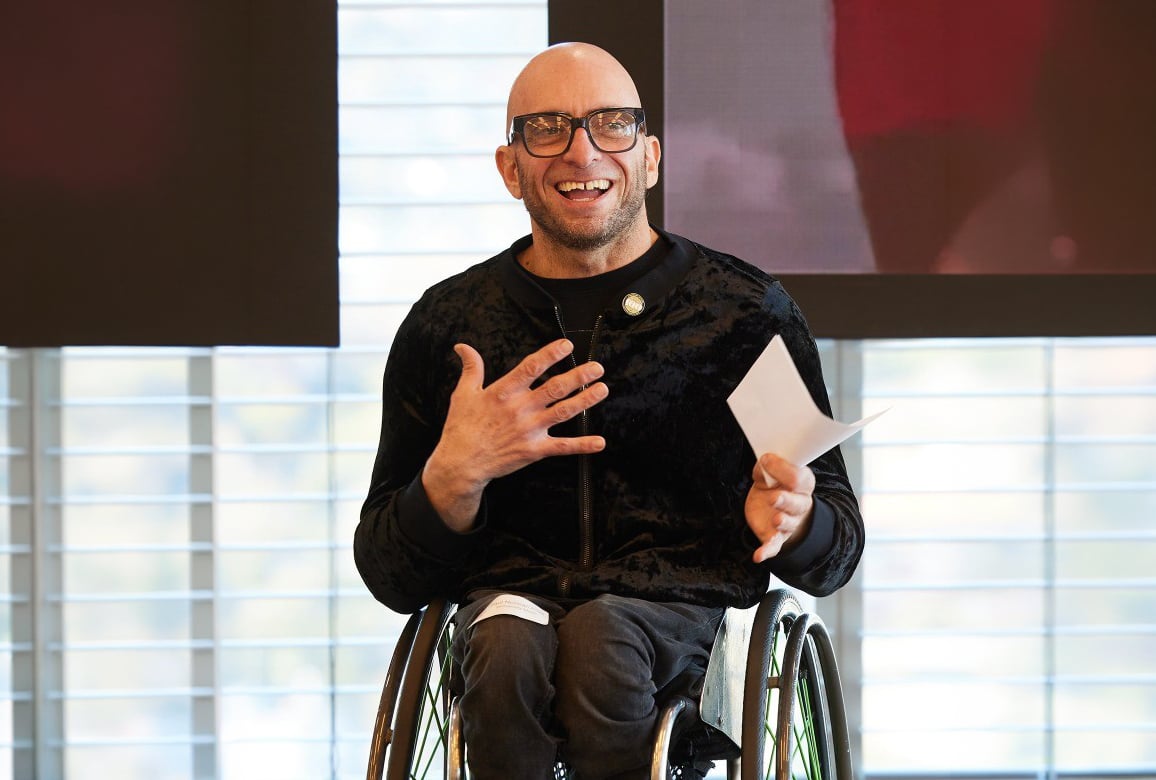
“The window for corporate Australia to claim the lead in disability inclusion is wide open right now.”
Meanwhile, Naomi Driver, general manager of marketing for Bupa Australia, described inclusion as something that “must be built into the fundamental process” rather than an “add-on at the end of production”.

“The Inclusion Imperative Report confirms that audiences expect authentic representation, and the brands moving beyond tokenism are being rewarded with immediate consumer trust and deeper market relevance,” she said.

“One in five Australians has a disability, yet they remain severely underrepresented behind and in front of the camera,” Rory Heffernan, CEO of Atomic 212° said.
“By shining a light on this audience at the very beginning of a media strategy, brands can stop wasting ad spend and unlock a highly engaged demographic that consumes significantly more media than the general public.”