Whether you’ve watched it unfold or bought into it yourself, the Labubu phenomenon has been impossible to ignore.
While many brands have tried to reverse-engineer Pop Mart’s breakout success, Lee believes they’re looking in the wrong place.
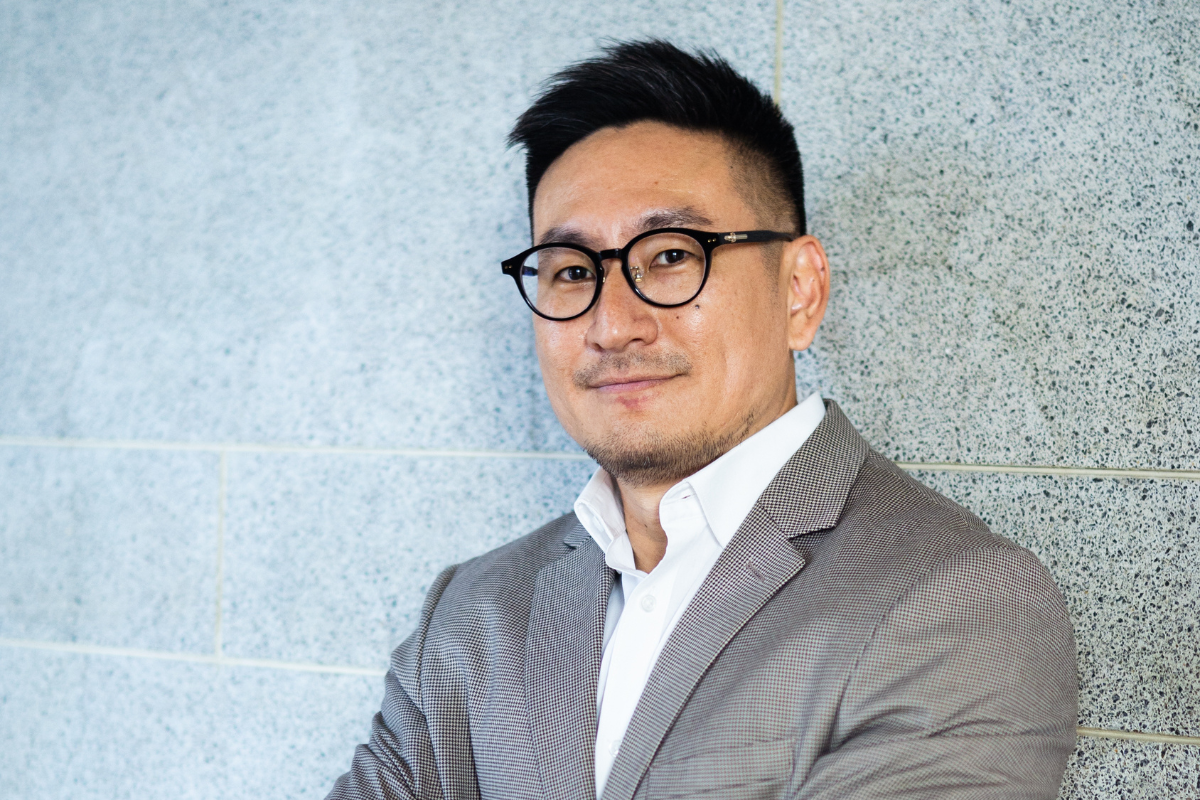
“The biggest misconception is that Labubu made Pop Mart,” said head of Middle East & South Asia, Pop Mart, Jeremy Lee. “It didn’t—Pop Mart made Labubu.”
“Pop Mart spent years building the infrastructure of obsession first: the blind box mechanic, the drop cadence, the app ecosystem, the collector community and the retail theatre. By the time Labubu broke through, there was already a machine capable of scaling that moment globally overnight.”
It’s a perspective that has been shaped by experience.
Before leading Pop Mart’s expansion across the Middle East and South Asia, Lee built the brand’s presence across Southeast Asia from zero to more than 40 stores spanning six countries.
And now, Australian marketers will get a rare behind-the-scenes look at how one of the world’s most talked-about brands built a global following when Lee takes the stage at iMedia Future of Marketing Summit Australia next month.

In his upcoming keynote, Building a Cultural Movement: How Pop Mart Turns Fans into Fanatics, Lee will unpack the commercial operating model behind one of retail’s most talked-about success stories—from engineered scarcity and product drops to omnichannel experiences, collector communities and the rituals that turn casual customers into passionate advocates.
His message comes at a time when marketers are navigating an increasingly crowded landscape shaped by AI, fragmented attention and rising customer acquisition costs.
“You can’t AI-generate belonging,” said Lee.
“AI is making content cheaper and faster, but it’s also making it more homogeneous. The brands that win won’t be the ones with the best content strategy—they’ll be the ones that have built a structure where the community creates the content, and the brand just holds space for it to happen.”
And Lee believes many marketing teams are still operating with “outdated assumptions” when it comes to brand building.

“Most brand-building frameworks were designed for a world where attention was abundant and distribution was scarce,” he said. “Now distribution is abundant and attention is genuinely scarce—and most marketing operating models haven’t caught up to that inversion yet.”
“Most brands see the cultural explosion and want to reverse-engineer the IP. What they should be reverse-engineering is the operating model that was already in place before anyone had heard of Labubu.”
For Mira Cossar, head of brand & marketing at iMedia Summits, that’s exactly why Lee’s appearance at iMedia Future of Marketing Summit Australia matters.
“We’ve all watched—or even bought into—the Labubu phenomenon, but few have had the opportunity to hear from someone who helped build the business behind it,” said Cossar.
“Jeremy offers a rare perspective on how Pop Mart became one of the world’s most talked-about brands. He’ll take Australia’s marketing leaders beyond the headlines to unpack the operating mechanics behind the hype, offering an honest look at what it really takes to build a brand people don’t just buy—but believe in.”
Lee joins a speaker line-up bringing together some of Australia’s leading CMOs, senior marketers and internationally recognised experts, reinforcing iMedia Future of Marketing Summit Australia‘s position as one of the country’s premier gatherings for senior marketing decision-makers.
As marketing leaders search for new ways to build brands that stand out in an era of limitless content and shrinking attention, Lee’s keynote promises to challenge conventional thinking on what it really takes to create cultural relevance, lasting demand and genuine fandom.