A new study has found Australian audiences consider and use social media platforms in markedly different ways than one perhaps might have thought.
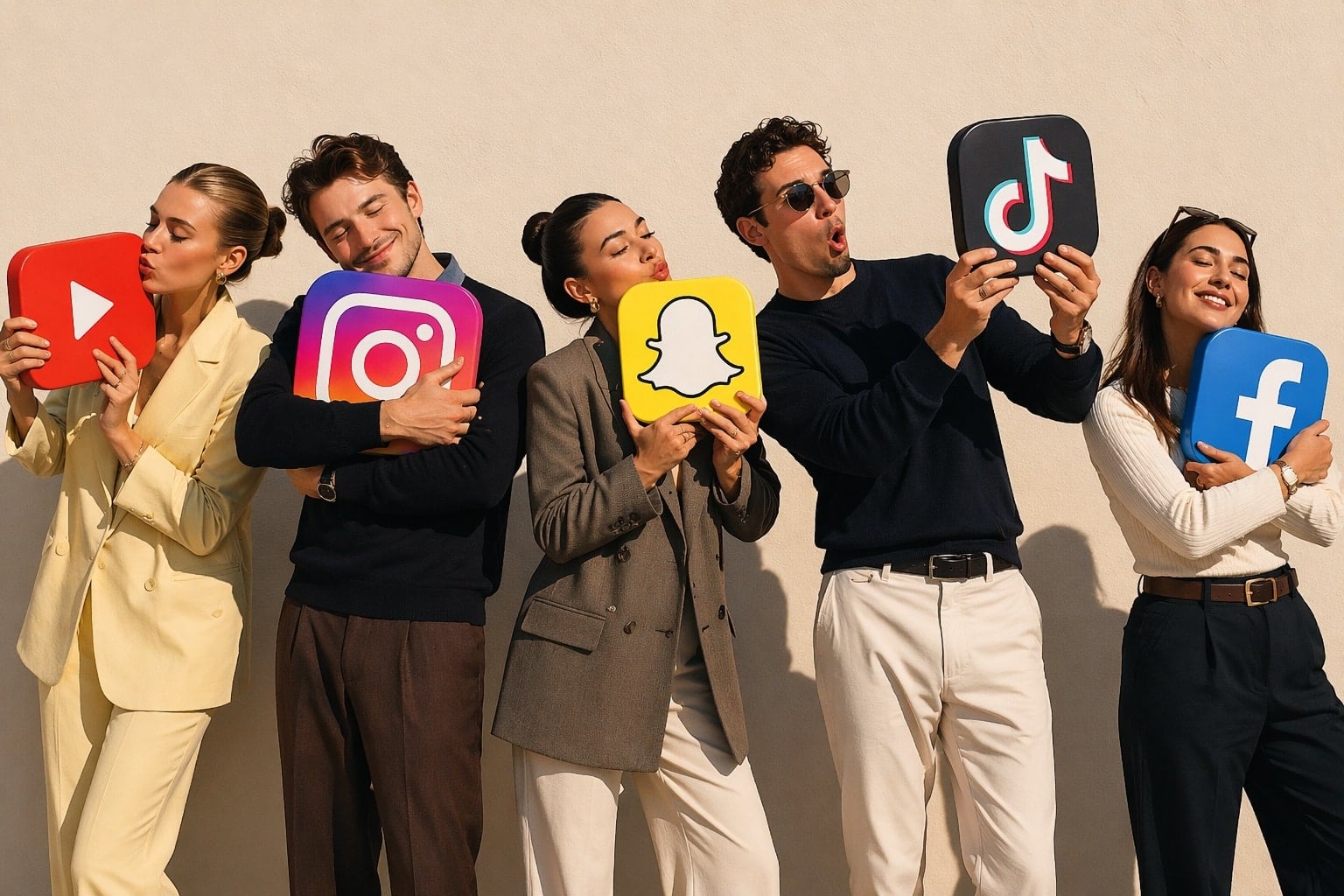
According to a QUT Digital Media Research Centre study, 87 per cent of Australians used social media, but only Facebook, Instagram and YouTube Shorts were used by more than half of respondents.
The Australian Media Uses Report: Social Media & YouTube 2026 drew on a survey of 2,146 people, to see how Australians engage with digital platforms and where they are spending most of their time.
While Facebook, Instagram and YouTube dominate usage, the study suggests advertisers shouldn’t just focus on platform size, but the roles different platforms play for users, rather than going for a one-size-fits-all creative approach which is unlikely to work.
Meta still rules paid social
Dean Gruskin, co-founder at Swan Studio, an Australian social-first creative and performance agency, told B&T the findings reinforce what the agency is already seeing in-market.
“Meta platforms remain where the majority of Australian consumers are spending their time, and as a result, that’s where the most efficient paid social opportunity sits for most brands,” he said.
He said brands are also continuing to increase investment in paid social and “paid social-first” creative.
“The opportunity to drive conversions through paid social is only growing, and creative remains the primary lever,” he said.
Gruskin said he was surprised by the report’s assessment that 62 per cent of Australians have never used TikTok.
“We’d expect that to be less,” he said.
“We are confident that number will drop substantially each year as adoption continues to rise.”

Opportunity for brands
Stuart Terry, founder and director of We Are Different, an Australian earned-first creative agency that operates across social, influencer and PR, spoke with B&T about the findings.
“The headline here isn’t which platforms are biggest, it’s how we’re actually using them,” he said.
“Social isn’t one behaviour anymore, it’s many, with people using different platforms for connection, learning and increasingly private interactions.”
The study highlights that this fragmentation is derived from clear platform roles. Instagram and Facebook remain dominant because they serve multiple everyday needs at once – from messaging and updates to community coordination, local groups and commerce via tools like Marketplace. This utility layer, particularly among older users, helps explain why Facebook remains highly used despite declining sentiment.
In contrast, platforms like TikTok are more strongly associated with entertainment and trend discovery, particularly among younger audiences, while Snapchat, Reddit and Discord serve more niche or interest-based communities where users seek specific types of interaction rather than broad social sharing.
YouTube, while widely used by 85 per cent of Australians, is increasingly treated differently again. The research found many respondents do not even categorise it as “social media”. Instead, they describe YouTube as an information and utility platform. Tutorials, how-to content and factual videos account for around half of viewing, reinforce its role as a search-and-learn tool rather than a purely social feed.
Terry said this behavioural split has major implications for marketers.
“It’s not just about spending more, it’s about showing up in ways that fit those behaviours,” he said.
“Paid exposure alone no longer translates to engagement, trust or action.”
“The brands that win are the ones that build deep audience relevance and earn their right to play online. That’s the most exciting part of the research – a clear signal that effectiveness is shifting back towards earned attention and engagement first, followed by smart media spend second.”

So who doesn’t use social media?
The report found 13 per cent of Australians do not use social media. Of these non-users, 69 per cent are aged 46–74 years, with men slightly more likely than women to fall into this group.
Australians use multiple social media services each week, but do so in very different ways depending on the platform. Younger adults (15–24) prioritise Instagram and TikTok, with Instagram used for social connection and sharing, and TikTok used primarily for entertainment and discovery.
Meanwhile, adults aged 25 and over are more likely to prefer Instagram and Facebook, with Facebook increasingly used as a practical coordination tool for groups, events and Marketplace rather than entertainment.
The report also found that despite limited positive sentiment toward Facebook, many users still rank it as one of the most important platforms due to its functional role in everyday life.