



Brands in Australia are being warned that obsessing over “short-term sugar hit” discounts are training customers to wait for them, after new data from Klaviyo and marketing effectiveness expert James Hurman revealed 62 per cent of consumers say they defer purchases until there’s a discount.
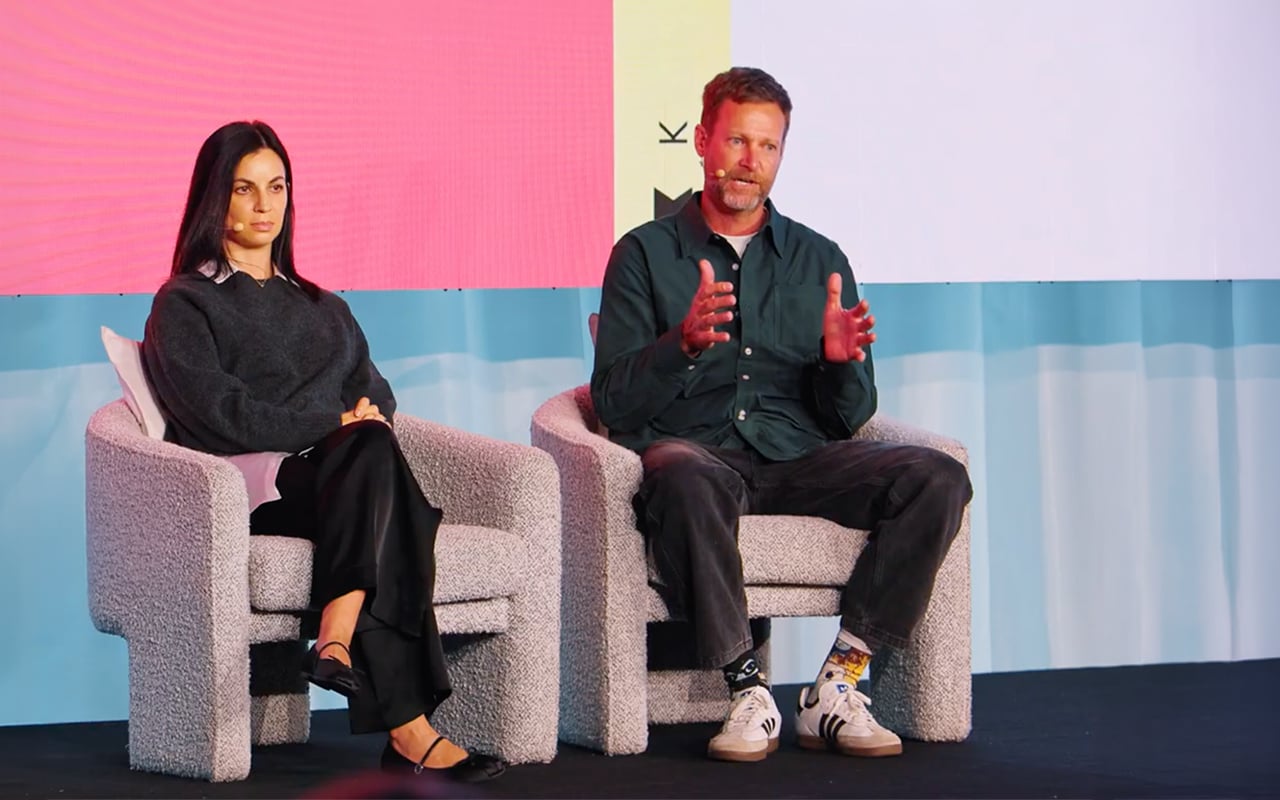
During a panel session at Klaviyo’s recent K:SYD event in Sydney, Carla Penn-Kahn, co-founder and CEO of analytics software Profit Peak, and Justin Hillberg, ANZ president of clothing brand Culture Kings responded to the data, saying brands still relying on blanket discounting strategies as a marketing tactic are damaging both margins and long-term customer behaviour.
Hillberg admitted it’s easy for a brand to get tempted to offer a discount, in order to get a “short-term sugar hit”.
He warned as a result, many retailers become trapped in “a dangerous cycle” where they rely on discounts to drive repeat purchases from existing audiences.
“The temptation becomes let’s use our existing audience to offer discounts to drive conversion and repeat purchase rate to move the top line,” he said.
“And that creates that learned behaviour that’s hard to get out of.”
Penn-Kahn added discounting does not automatically convince shoppers to try a brand.
“When it comes to fashion especially, or lifestyle or homewares, that 20 or 30 per cent off doesn’t necessarily mean the customer is going to give you a go,” she said. “And you also need to think about the industry that you operate in.”
In the Australian retail industry, “sugar hit” discounts are nothing new.
For years they have heavily been used as a marketing tactic, often over Black Friday and the End of Financial Year (EOFY), as brands battle rising competition, cautious consumer spending and mounting pressure to hit short-term revenue targets.

Penn-Kahn added alongside discounting, many retailers fail to account for the compounding cost of customer acquisition.
“If you know it costs you 30 per cent of revenue to acquire a customer across the different touch points in a journey, and you’ve got a 60 per cent margin, and then you’ve gone and given a 20 to 30 per cent discount to a new customer, and then you look at the P&L at the end of the month with the board, and they say, ‘Well, you haven’t made money,’ you know exactly why.”
She also explained having site-wide sales “is not purposeful discounting”.
Penn-Kahn said brands frequently end up discounting their best-performing products, despite the original intention being to clear slow-moving inventory.
“A lot of the conversations we’ve been having with our customers of late was, ‘Hey, end of financial year is around the corner, don’t go and discount that style right now and train your customer that you’re going to discount within two weeks of a drop’,” she said.

Hillberg also revealed Culture Kings has been actively working to unwind years of its own heavy discounting following rapid growth and inventory blowouts during and after the COVID period.
“We had a lot of additional pressures through that period that created some behaviours that maybe weren’t necessarily historic to Culture Kings,” Hillberg said. “We had big inventory bloat we needed to get under control, and we’ve only got so many channels you can sell inventory through, so we had to use pricing to get it under control.”
Reflecting on those discounts, he warned others that becoming overly reliant on site-wide sales events like Black Friday or Click Frenzy also poses dangers.
“I’m not a fan of site-wide discounting. It drags your customers forward, it devalues your product that you’re trying to launch at full margin, it undermines your overall value creation proposition.”

Following the session, B&T sat down with Klaviyo’s CMO Jamie Domenici to find out what other growing problems brands are creating for themselves, aside from discounts.
She said she’s often hearing about fragmented promotions and inconsistent customer messaging being a big problem, and retailers often unknowingly damaging trust with consumers.
“If you send me an email offering me 10 per cent off, and then you send me a text offering 20 per cent off, I’m like, ‘Who are you? Do you know me? What’s going on?’,” she said. “It should be one conversation.”
She warned that inconsistent promotions can create long-term damage far beyond a single sale.
“That has a short-term impact on your brand with returns, and a long-term impact because word of mouth, brand loyalty, all of that goes out the window,” Domenici said.
Instead of competing purely on price, Domenici said brands are increasingly shifting toward loyalty experiences, exclusivity and added value.
“Now it’s like, okay, am I going to give earlier access or a gift with purchase? These are more value-add versus taking away from the bottom line,” she said.
For Hillberg, the future of retail growth will belong to brands with stronger product differentiation and less exposure to price comparison wars.
“If you were to look at the cohort of brands that are growing fastest with the least amount of discounting, it’s going to be the brands with the least amount of crossover and competition as well,” she said.
“You’ll see a lot of brands with their own vertical control around their own supply chains. That is what will allow them to react to the customer much, much faster.”


