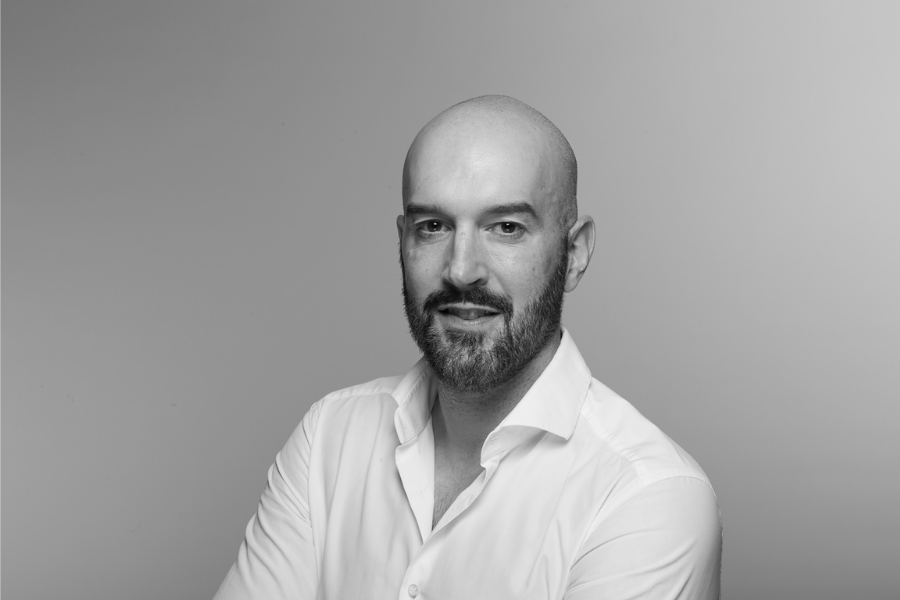
In this op-ed, Richard Brett, president of Ogilvy PR & Influence and Ogilvy chief client officer Australia, calls on male leaders to use their influence to turn good intentions into meaningful action, arguing that gender inequality is everyone’s responsibility.
I have spent my entire career in the marketing communications industry – a sector that is predominantly female. Walk into almost any agency or in-house communications team, and you will see a vibrant, talented majority of women driving day-to-day excellence. Yet, when you then look up at the leadership teams and top executive roles across our profession, that picture shifts dramatically. The representation at the top simply does not match the talent pool below.
Earlier this year, I joined the Global Women in PR (GWPR) Australia Advisory Board. When asked why I said yes, my answer was simple: throughout my career I have worked for, with, and know, the most incredible leaders. Most of the very best are women: I have simply been inspired, learnt from, and been in awe of, so many incredible female leaders. You know who you are.
So this is a topic I feel incredibly emotionally invested in. It felt like a practical, necessary way to contribute, share my experience, open doors where I can, and support meaningful change across our profession.
GWPR Australia’s position is clear: gender equality in communications cannot be left to women to solve alone. As a CPRA Special Interest Group and part of the global GWPR network, GWPR Australia exists to connect, champion and support women in PR and communications roles, but its Advisory Board is also focused on shifting the industry systems that shape who progresses, who is sponsored, who is visible, and who gets to lead.
For me, joining the Board means using my platform, networks and influence as a male agency leader to help move the conversation from good intent and policy language to practical accountability, everyday leadership decisions, and sustained industry action.
Diversity, Equity, and Inclusion is also deeply personal. As a gay man, I know what it feels like to be on the outside.
Growing up, I was subjected to relentless bullying at school simply for being who I am, and throughout my life, I have witnessed and experienced offensive language and commentary that stereotypes the LGBTQIA+ community in the basest of ways – including in front of me in the workplace. Those experiences shaped my conviction that everyone deserves a workplace where they can not only belong and can thrive; but can rise to the very top based simply on talent. Meritocracy needs to run through society, community and the companies we work for.
Sadly, there seems to be a new permission for discrimination in 2026; as the political discourse deteriorates, women and members of the LGBTQIA+ community are hearing conversations and topics from leaders that we thought had gone forever 20 years ago. This is despite the fact that diversity is critical to our success. Diverse backgrounds, varied lived experiences, and different stories make our creative work richer, sharper, and far more effective. It can speak directly with deeper insight to our communities. On that basis I fundamentally reject the idea that gender equality is either a ‘women’s issue’ or lives in the HR team or in policies.
It is an everyone issue. It is a culture issue. It is a behaviour issue.
Whilst women understand these challenges better than anyone, we cannot expect the people most impacted by a systemic problem in society to carry sole responsibility for solving it. Lasting progress happens faster when men and women work together. Senior male leaders have a responsibility to be part of this conversation – not because we have all the answers, but because we have influence. That means not just talking the game – but doing. Every day. It means a mindset that actively supports talent, empathises with the barriers we all face each day, challenges deeply held unconscious assumptions, and create genuine opportunities.
Crucially, leadership requires more than rhetoric – we need to do.
For instance, Ogilvy carefully tracks its gender and pay equality. It’s important to watch the data closely because it tells us where we must do more. As a result, each year we develop and implement a detailed action plan to further reduce any identified gaps.
Action means creating tangible pathways more broadly for underrepresented talent, and designing progressive, inclusive policies, ranging from internships for First Nations people and refugees, paid internships for aspiring creatives who face barriers to entry, through to enhanced and extended gender-neutral parental leave policies, additional paid time off for IVF or other relevant medical treatments, and a Domestic and Family Violence policy featuring trained responders and up to 10 days of paid leave.
But importantly, I believe leaders must also move beyond just formal policy and actively shape everyday culture. Flexible working means normalising family commitments – respecting school pick-ups, being relaxed about routines that involve leaving early or arriving late and sending unambiguous signals such as promoting talented individuals while they are on parental leave.
Meaningful change is doing. But it starts with listening and with empathy – a term that is now being weaponised by political leaders. Many of the challenges women face are systemic rather than individual. So, leaders need to know and understand the barriers, behaviours, signals and language that shouldn’t exist in the first place.
I remain optimistic about where our industry is heading. More leaders recognise that diverse leadership teams build stronger organisations, and more companies are ready to have honest conversations about what needs to change.
Equality is not someone else’s job to fix: it is my job; it is your job; it is all of us working day by day, signal by signal, behaviour by behaviour. Let’s create a stronger, fairer profession that benefits every single one of us. It is time for all leaders to move beyond words and actively drive the change we need.