
Studio Veronique has launched a free practical guide designed to help brands and marketers overcome the uncertainty around disability inclusion and turn good intentions into action.
The Melbourne-based social impact marketing studio and inclusive talent agency has released A Practical Guide to Disability Inclusion for Brands, a 20-page digital resource covering where brands should start, what they should avoid and what people with lived experience want to see from the industry.
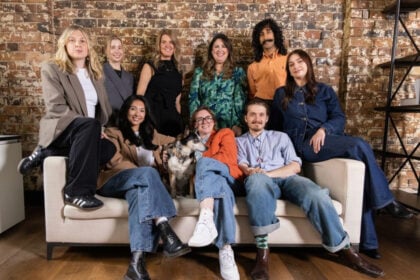
The guide has been co-designed by Studio Veronique founder Saskia Veronique alongside five women with lived experience across disability, neurodivergence and chronic illness.
Veronique said disability inclusion is increasingly becoming a commercial consideration for brands, as well as a social one.
“Disability inclusion has stopped being solely a values conversation and has started becoming a commercial one,” she said.
“Around 1 in 5 Australians has a disability, and brands not catering to this community need to understand that consumers are voting with their wallets – 15 per cent of Australians switched to a brand with inclusive advertising in the last six months.”
The guide explores the business case for disability inclusion, common mistakes brands make and practical ways marketers can begin incorporating more inclusive practices into their work.
It covers areas including working with disabled creators, digital accessibility and the importance of language, while also providing real-world examples and lived-experience perspectives.

For Veronique, the aim is to make disability inclusion feel less daunting for brands that may be worried about getting it wrong.
“We’re breaking down some of the key frequently asked questions I speak to founders about when it comes to disability inclusion, providing real-world examples, actionable steps, and lived-experience input,” she said.
“I want brands to realise that disability inclusion matters, and that it doesn’t have to look the way it has in the past.”
She added that marketers can often know they need to do more but remain unsure about where to begin.
“I know brands and marketers can find disability tricky – they don’t want to get it wrong, or they’re unsure where to start,” Veronique said.
“I hope this guide can be that informed starting point, or a catalyst for action.”
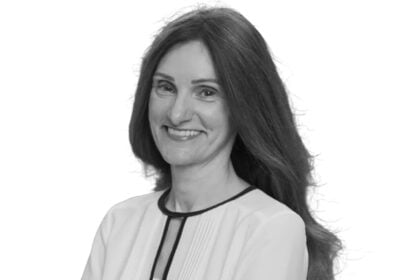
Veronique, a neurodivergent founder with more than a decade of experience across marketing, content and events, established Studio Veronique in 2025 after identifying a gap between accessibility, aesthetics and advocacy in brand communications.
The agency’s in-house talent department represents creators with lived experience across disability, chronic illness and neurodivergence, while its marketing arm works across purpose-led strategy, digital marketing and content creation.