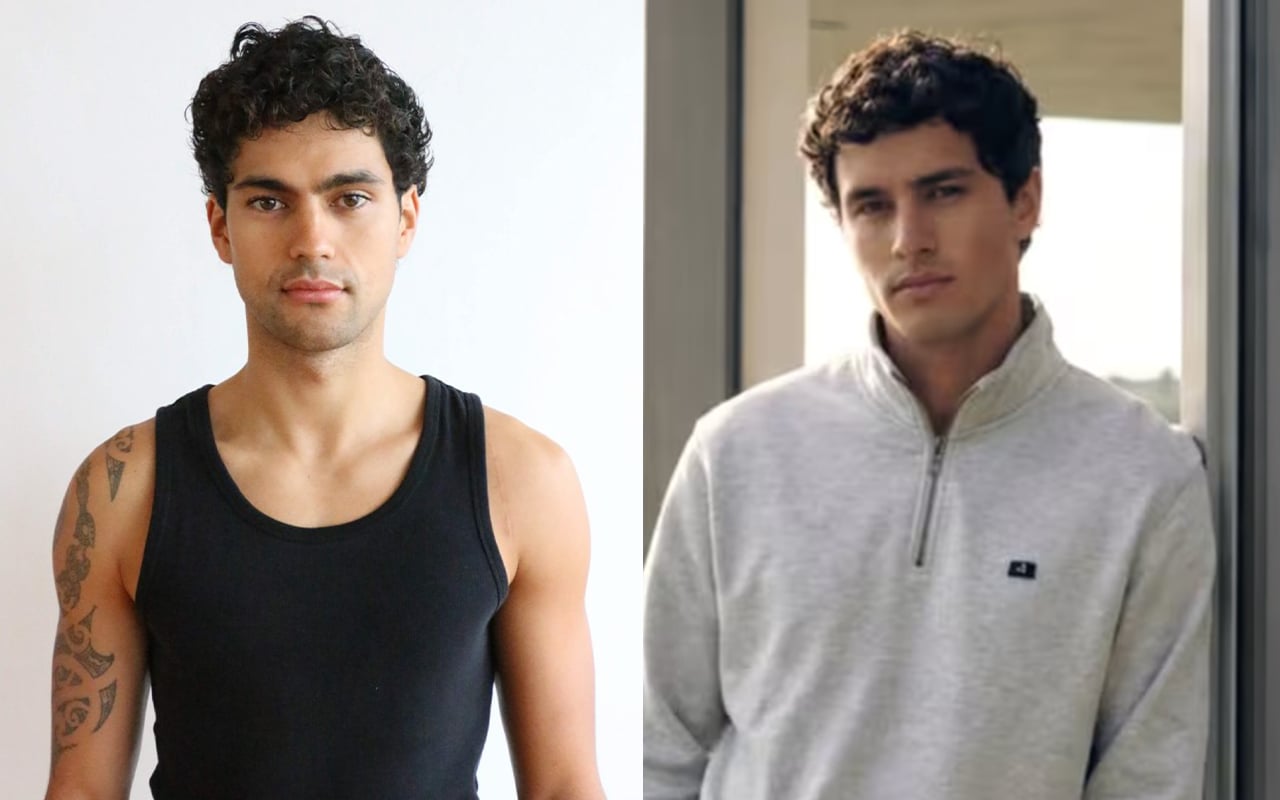
Kiwi fashion brand Huffer has denied using AI to mimic model Elijah Timmins-Scanlon in a recent marketing campaign but rather used “computer assistance technologies” instead. Meanwhile, Australian photographers are warning brands risk losing their customers if they aren’t transparent with how they are using AI technologies.
It comes after Timmins-Scanlon noticed a Huffer ad that looked like a mash-up of himself and his brother, neither of whom had posed for the shoot.

Since his video on social media last week, several other models have also claimed the brand’s campaign uses AI-generated replicates of others who used to work with the company.
Huffer’s managing director has since rejected Timmins-Scanlon’s claim they used his likeness in the campaign, during a recent street interview with 1News.
When asked about the people who reportedly “don’t exist” according to other models, she responded: “I think there’s lots of parts of the design industry that means we are all using different technologies – computer assistance technologies.”
“No faces of our models have been changed other than in normal computer-assisted design.”
The model’s account, which has since been deactivated, received thousands of comments of others in the industry, supporting his message and agreeing with his claims.
“This is not a David and Goliath battle. I’m not trying to take down Huffer, I truly believe that’s not good for anybody,” he said.
“I’d just like to reiterate that my intentions were and still are that I was just sharing my video to voice my concern on the use of AI and likeness in the industry.”
B&T spoke with Sydney based photographer Mia Borg, who said these “technologies” are ultimately putting those in the creative industry out of work.
“It’s disappointing because there’s such an art to having a real person in front and behind of a camera, directing something,” she said.
“Yes, it might to be 100 per cent perfect all of the time, but I think that there’s a beauty in the inconsistencies and mistakes that you can make as a photographer and as a model that just makes a brand more likeable”.
Her message comes as several brands overseas, including Guess and Mango, have used AI models.
Levi’s announced in 2023 that it would begin experimenting with AI models to improve the diversity of its campaigns, tweaking skin tones and body shapes for greater representation.
In all three instances, there was a lot of backlash.

Borg said the situation for the Kiwi model “hits close to home” after having her own photographs taken and used in a campaign without consent or compensation.
“Recently I presented a portfolio of work for a music event in Bondi, and they told me they had already sorted a photographer for the night, and didn’t need me.”
“However, when I was showing my friend the work from the event, I noticed a photo that looked incredibly similar, only to realise it was my photo.
“I put them side by side, and saw the one they had used was mine, with their branding on it.”
Borg said brands using AI “must take accountability”.
She believes large retail brands, including Huffer, need to take accountability if they are using AI, otherwise they “risk losing customers”.
“This situation is awful. It’s so important to be transparent from the beginning because it builds customer trust for a brands audience. Brands can say something like ‘We’re going to be using AI for this, because that’s where the industry is going’,” she said.
“But if you try and mislead people and then come out later and say you were testing AI, then it’s not a good look.”
“In this case, for Huffer, I feel like it’s only coming out now because it’s been caught.”
Another Australian photographer, Aaron Francis, admitted while most photographers already use AI-powered tools in areas such as “subject selection, noise reduction, retouching or image enhancement” the big question for brands isn’t whether they are using it, but how they are using it.
“If a person’s likeness is being replicated or used as the basis for AI-generated imagery, there should be transparency, consent and appropriate compensation,” Francis told B&T.
“Those principles already exist throughout the creative industries and I don’t see why AI should be treated differently.”
“From a broader brand perspective, I also think authenticity matters. Right now AI is the new shiny thing and many companies are experimenting with it, but consumers ultimately connect with real people and real stories. If brands become heavily reliant on AI-generated campaigns purely as a cost-cutting exercise, they risk consumers questioning the authenticity of not only the advertising, but the brand itself.”
He said if audiences begin wondering whether the model is real, whether the campaign was photographed, or whether the creative direction itself was generated by AI, “brands may find they’ve traded authenticity for efficiency”.
“AI isn’t going away and it will become another tool used throughout the creative process. The challenge for the industry is making sure that innovation doesn’t come at the expense of transparency, consent and trust.”
B&T also spoke with Mandy Jacobsen of Red Eleven, the modelling agency Timmins-Scanlon is signed to, who said “I fully support Elijah”.
“I’m glad he’s the whistleblower on this, representing how many models feel.”
“Brands will say they won’t use us again when challenged by anything like this rather than have a discussion about it.”
B&T has approached Huffer for comment.