
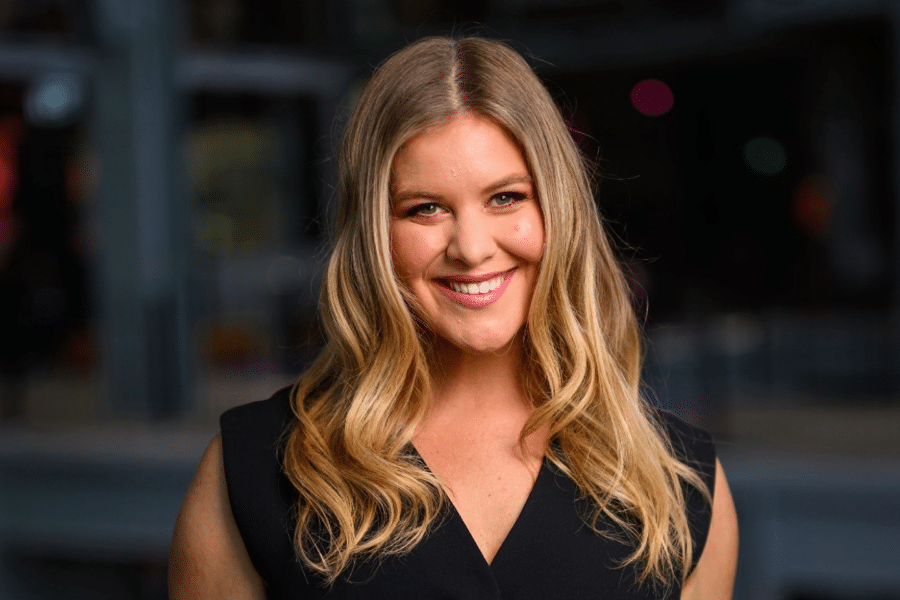
In this op-ed, Alexandra Hazlehurst, head of brand solutions, Foxtel Media’s content division, explores the untapped potential of branded storytelling TV in Australia. For audiences, the move away from interruption and towards genuinely watchable entertainment creates a timely opportunity for brands to meet them where they are.
Australians are renowned for their ability to spin a yarn. We have a rich tradition of storytelling, and we punch well above our weight creatively. But when it comes to brand entertainment, we’ve barely scratched the surface.
In markets such as the UK and US, branded entertainment has long been treated with the same creative discipline as original commissions. UK series such as Cooking with the Stars (Marks & Spencer) and DNA Journey (Ancestry) have proved highly engaging for audiences and run for multiple series. In the US, brands are partnering with top talent like Jimmy Fallon (On Brand with Jimmy Fallon) and Martha Stewart (Yes Chef) to reach nationwide audiences.
There’s huge potential for Australian marketers to similarly engage with audiences in creative and entertaining ways.
Why Australia is poised for opportunity
We are sitting at a unique crossroads right now. Marketers increasingly want their brand to mean something to someone, and storytelling provides the ideal vehicle to achieve that. At the same time, publishers’ doors are open to commercial conversations – whether through a willingness to fill streaming libraries with a broader range of content, or through more collaborative, agile commissioning and funding models as budgets come under pressure and traditional approaches are stretched. The result is a growing appetite for innovation.
Only a few years ago, it was hard to have a conversation about content without defaulting to “spots and dots”. Now, the tide has turned. Production companies are reaching out weekly with ideas for new brand entertainment formats, and marketers are no longer relying on the 30-second spot in the way they once did.
As shifting viewing habits and evolving technologies allow audiences to skip, scroll and opt out of traditional advertising, embedding brand values within the content itself creates a far stronger opportunity for genuine connection.
As competition for attention gets fiercer, brands are also recognising the power of earning attention through storytelling rather than simply buying.
For audiences, the move away from interruption and towards genuinely watchable entertainment creates a timely opportunity for brands to meet them where they are.
The art of brand storytelling
Established examples with branded storytelling in Australia have enjoyed strong results. Luxury Escapes: The World’s Best Holidays, now in its fourth season, competes with premium entertainment commissions and regularly outperforms expectations. The latest season ranked as the top three programme each week across Foxtel-owned and- operated channels during its premiere run.
The secret to its success was not aggressive holiday selling, but in being watchable. This is key: production values must be audience-first, not brand-first. That means strong talent, compelling narratives and high production values. The brand becomes the hero quietly, not shouted, and within a world of escapism designed for the viewer.
The rise in streaming and on-demand platforms delivers a huge choice but also rewards content that remains relevant. A Tuscany episode on Luxury Escapes, watched two years later, can still inspire a holiday today. That kind of longevity is rare in advertising, but entirely achievable in television-grade storytelling.
But not everything needs to be a prime-time TV series. Short form and social are also great options for branded content. When brands don’t want to commit long-term, leveraging existing IP to create reboots, reunions and spinoffs can also work. For example, the Selling Houses Australia spinoff we produced with Westpac last year, Inside Selling Houses Australia: New Beginnings, tapped into an established fan base by reuniting the series host with previous season homeowners to see where they landed after selling. We delivered new content while naturally integrating Westpac products.
Win-win for networks, brands and audiences
When networks, producers and brands collaborate from the outset, it results in content designed for the audience first, not retrofitted after the fact. Recently, Oscar-nominated film F1 demonstrates how real brands can be woven seamlessly into narrative worlds. The difference is not the presence of brands, but whether they serve the story or interrupt it.
Australia has many under-explored categories ripe for brand entertainment. Beyond travel content like Luxury Escapes, sport offers a goldmine of high-octane entertainment paired with emotive storytelling, tapping into our love of the game. Heritage brands can also anchor documentary series with their story, while beauty brands can fund scripted drama – a full-circle moment, considering soap operas were originally radio dramas sponsored by soap manufacturers. In the US, P&G has just revisited this model with their 50-part micro-drama series The Golden Pear Affair.
The real risk for Australian brands is sticking with advertising models built for a world that’s already moved on. Audiences reward work that feels worth their time, and it’s about time local brands enter the game.