




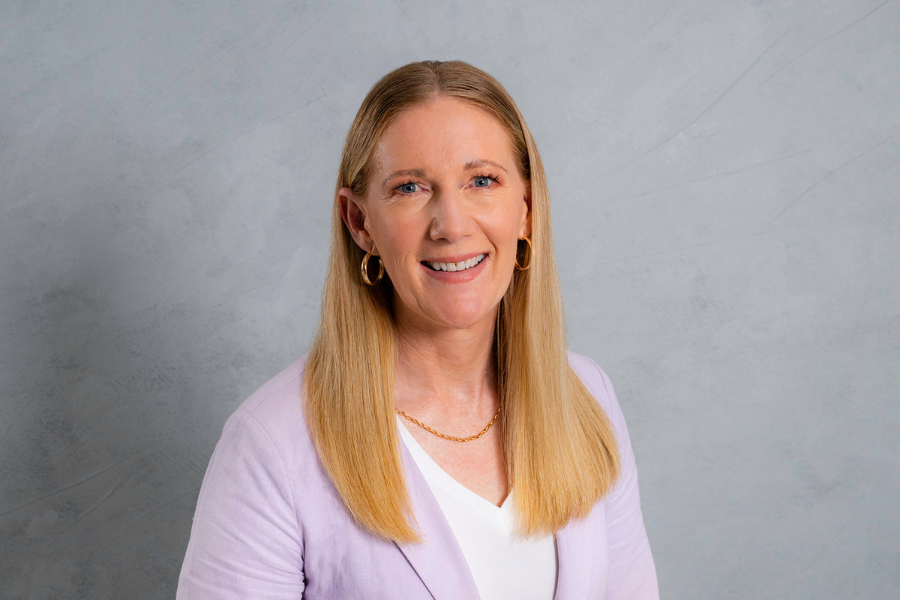
Vanessa Lyons, chief executive officer at ThinkNewsBrands is this week’s guest writer in the latest instalment of the IMAA’s Female Leaders of Tomorrow program, following on from last year’s series. Lyons delves into mentorship, adaptability and the lessons that shaped her own leadership style.
1. How did you get involved (and why) this program specifically?
I was drawn to the Female Leaders of Tomorrow program because of its focus on developing confident, capable women who are ready to step into leadership roles. Throughout my career, I’ve benefited from strong mentorship – both in the workplace and through my experience competing at a National League level in sport – and I’ve seen firsthand the impact that guidance and encouragement can have. This program felt like a meaningful opportunity to give back and help create that same support system for the next generation of female leaders in the media industry.
2. Why is mentoring women in the industry so important for its future success?
Mentoring women is critical to building a more diverse, resilient, and forward-thinking industry. When women are supported and given access to strong mentorship, they’re more likely to step into leadership roles, challenge the status quo, and bring new perspectives to the table.
Creating that pipeline of confident female leaders isn’t just beneficial for individuals, it strengthens teams, improves decision-making, and ultimately drives better outcomes for the industry as a whole. I note 100 per cent of mentees describe the program as life-changing, it’s a real privilege to be part of it.
The media industry continues to experience significant change, sharing skills on staying adaptable is what I am looking forward to passing on. Being adaptable and thinking ahead will be key to keeping industries strong, across agencies, brands and news mastheads that have a symbiotic relationship with advertising.
3. Who are/were your mentors, and what did you learn from them?
I played sport at a National League level, so alongside work, I had plenty of mentors in sport as well. With either work or sport, the mentors and coaches I respected and thrived under were those who pushed me out of my comfort zone. While they offered initial guidance and context, they then took a step back and let me figure it all out with positivity and encouragement. They were always there for consultation when I needed it, but let me craft my own way. They helped me shine when it mattered (because in turn, this also helped them shine). The main thing I learnt is, put in the extra work and make things as strong, concise and compelling as they can be. Effort into preparation and delivery goes a long way. Also, “people respond best to a no-blank piece of paper” It’s best to adopt a proactive style, start with ideas, and you can edit and grow from there.
4. If you could offer one piece of advice to all future leaders, what would it be and why?
Fostering confidence and followership is important.
Also, you will do extra work as you learn and grow. Don’t see this as a waste of time or inefficiency, see it as an investment in your future. If you wait to be told exactly how to do something, you won’t grow and learn critical thinking and adaptation skills. Take on everything you can – it will be worth it in the long run. Hard yards count.


