Marketing effectiveness doyen Les Binet has urged advertisers facing tighter budgets to resist cutting media spend, instead arguing brands should “cut production rather than media” if savings are unavoidable.
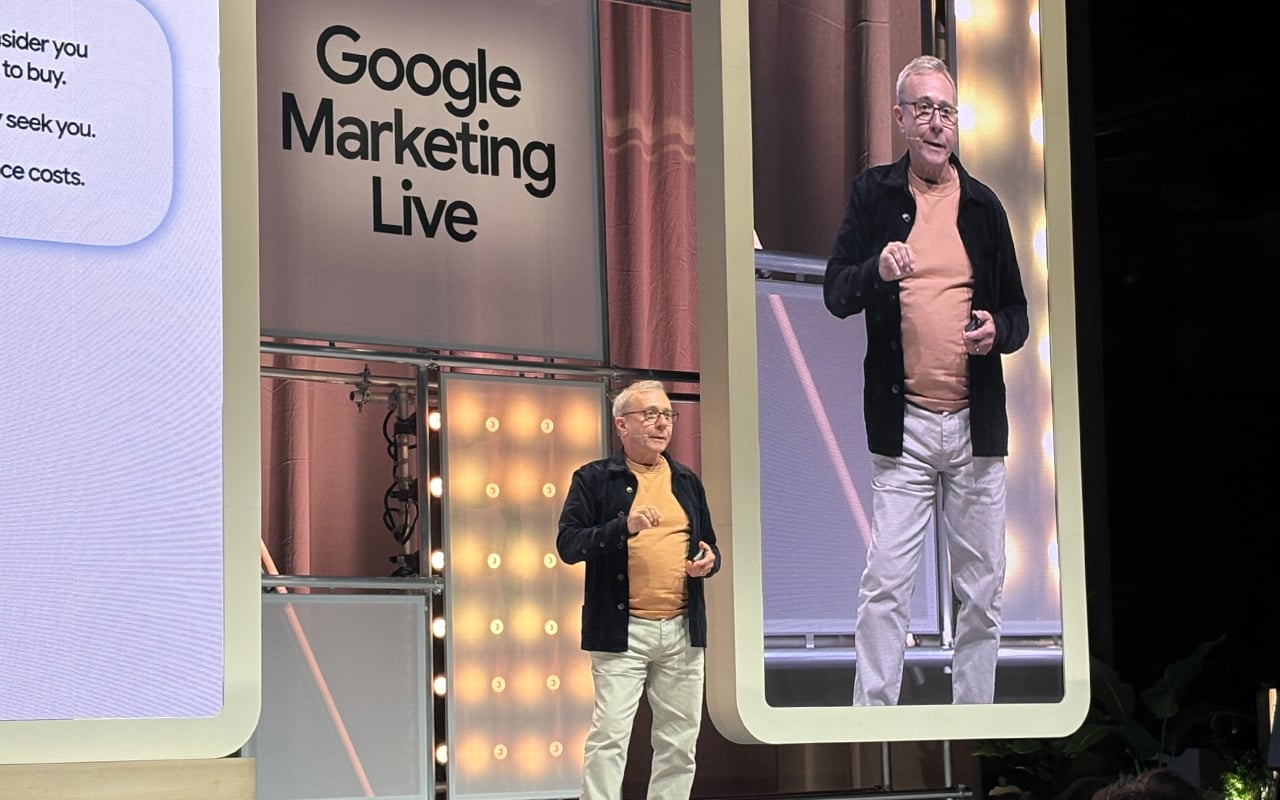
Speaking at Google Marketing Live in Sydney on Wednesday, Binet said marketers should avoid panic cuts during uncertain economic conditions and instead make budget decisions scientifically, warning that an industry-wide obsession with ROI is hurting long-term growth.
His comments came alongside his new research titled ‘Go Big or Go Home’, co-authored with Medialab chief data officer and co-owner Will David, which argues marketers have become too focused on efficiency at the expense of effectiveness.

While many marketers believe improving ROI is the biggest driver of business growth, Binet said the evidence points elsewhere. His team surveyed 500 CMOs, who overwhelmingly believed ROI mattered more than budget.
“They were very clear that the main thing is ROI,” he said. “ROI is twice as important as budget. ROI is the main thing that drives your profit.”
But after analysing actual business outcomes, Binet said the results were “quite startling”.
“The main driver of profit is not ROI, it’s the budget by a factor of eight or nine to one. ROI is not the main driver.”
“Budget is nine times more important than ROI, and that suggests that the most important decision in marketing is actually how much to spend.”
Binet argued too many businesses are caught in a downward spiral, chasing efficiency while steadily shrinking the very budgets that drive growth.
“Our survey showed that most firms focus on intermediate metrics like likes, clicks, brand love and awareness, rather than actual business outcomes like sales, cash flow and profit,” he said.
“Very few do any proper financial modelling, and very few do any experimental testing of budget levels.”
“Without the hard financial evidence you need to convince your CFOs, budgets get cut, and that leads to what I call small thinking.”
That “small thinking”, he said, encourages brands to narrow their targeting, over-invest in performance marketing and ultimately sacrifice long-term effectiveness.
“This tightly targeted, narrowly focused approach does increase efficiency a bit, but it reduces effectiveness a lot. Sales and profits fall, and then budgets get cut further, and then we go round and down in a death spiral.”
Instead, Binet urged marketers to think bigger.
“We need to remember that effectiveness is largely about scale in marketing,” he said. “Brands that think small eventually become small, so we need to, as I put it, go big or go home.”
For marketers under pressure to reduce spending, Binet’s advice was not to slash media investment. “Don’t cut blindly. Budget scientifically,” he said. “Use econometrics to forecast how cuts will affect sales, cash flow and profit.”
“If you’re cutting, consider cutting production rather than media, make fewer ads, run older ones for longer, keep those effective campaigns going, and look out for media bargains,” he told the audience.
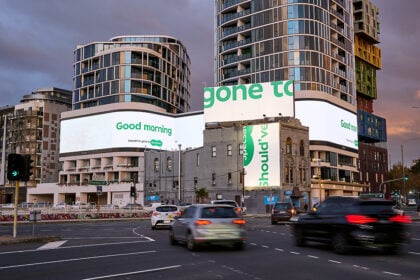
His comment comes after Woolworths recieved some backlash recently for recycling its “Make This Christmas a Classic” ad two years in a row, instead of producing new creative.
The ad, which was created by M&C Saatchi Group’s bespoke agency Greenhouse Collective, shows the story of a young girl and her rural community who build a giant glowing carrot to guide Santa and his reindeer.
The supermarket giant said at the time it had redirected funds from creating “a new large-scale TV advert” to other measures focused on cost-of-living relief.
During Google Marketing Live, Binet also warned marketers in the room to not maximise ROI for its own sake.
“If you want to convince your CFO to release extra budget, then you need a proper financial model,” he said. “Measure all of the effects of advertising on the whole of your sales and cash flow and profit, short and long term.”
“Notice, net profit, not ROI. Maximising ROI is not the way you grow.”
Drawing on years of research with Peter Field, Binet reiterated that most brands perform best with roughly a 60:40 split between brand advertising and performance marketing, although the exact balance varies by category.
“Brand advertising is the main driver of growth,” he highlighted.
“Performance marketing is great at generating immediate short-term sales, but brand advertising builds over time, increases consideration and reduces price sensitivity.”
He said it also “allows you to charge higher prices, make fatter margins and make bigger profits”.