B&TB&TB&T
  • Advertising
    • Campaigns of the Month
    • Effectiveness
    • League Tables
    • Opinion & Analysis
    • PR
    • Production & Craft
    • Social
    • Strategy & Insight
  • Agencies
    • Agency Scorecards
    • Appointments
    • Culture Bites
    • League Tables
    • New Business
    • Opinions & Analysis
    • Profiles
    • The Work
    • Fast 10
  • Awards
    • 30 Under 30
    • B&T Awards
    • Cairns Crocodiles Awards
    • Hatchlings
    • Women in Media
    • Women Leading Tech
  • Best of the Best
  • Brands
    • Appointments
    • Campaigns
    • Culture Bites
    • Opinions & Analysis
    • Partnerships
    • Spotlight on Sponsors
  • Campaigns
    • Campaigns of the Month
    • League Tables
    • Opinion & Analysis
    • The Work
  • CMOs
    • Appointments
    • CMO Power List
    • CMOs to Watch
    • Opinions & Analysis
  • Marketing
    • Appointments
    • Customer Experience
    • Data & Insights
    • Opinions & Analysis
    • Spotlight on Sponsorship
    • Strategy
    • Sports Marketing
  • Media
    • AI
    • Appointments
    • Audio
    • Digital
    • Headliners presented by Nine
    • News
    • News Media & Publishing
    • Opinions & Analysis
    • Out of Home
    • Platforms
    • Radio Ratings
    • Retail Media
    • Social
    • Spotlight on Sponsors
    • Streaming
    • Trading & Upfronts
    • TV Ratings
  • Technology
    • AdTech & MarTech
    • AI
    • Appointments
    • Opinions & Analysis
    • Platforms
  • Cairns Crocodiles
Search
Trending topics:
  • Featured
  • Nine
  • Cairns Crocodiles
  • Pinterest
  • B&T Exclusive
  • Married At First Sight
  • Seven
  • Partner content
  • Australian Open
  • AFL
  • Cairns Crocodiles Speaker Spotlight
  • Thinkerbell
  • Meta
  • TikTok
  • Women Leading Tech
  • Special
  • WPP
  • TV Ratings
  • Radio Ratings
  • Sports Marketing

  • About
  • Contact
  • Editorial Guidelines
  • Privacy
  • Terms
  • Advertise
© 2025 B&T. The Misfits Media Company Pty Ltd.
Reading: Could Dopamine Addiction Be Killing Your Creativity?
Share
Subscribe
B&TB&T
Subscribe
Search
  • Advertising
    • Campaign of the Month
    • Effectiveness
    • League Tables
    • Opinion & Analysis
    • PR
    • Production & Craft
    • Social
    • Strategy & Insight
  • Agencies
    • Agency Scorecards
    • Appointments
    • Culture Bites
    • League Tables
    • New Business
    • Opinions & Analysis
    • Profiles
    • The Work
    • Fast 10
  • Awards
    • 30 Under 30
    • B&T Awards
    • Cairns Crocodiles Awards
    • Hatchlings
    • Women in Media
    • Women Leading Tech
  • Best of the Best
  • Brands
    • Appointments
    • Campaigns
    • Culture Bites
    • Opinions & Analysis
    • Partnerships
    • Spotlight on Sponsors
  • Campaigns
    • Campaigns of the Month
    • League Tables
    • Opinion & Analysis
    • The Work
  • CMOs
    • Appointments
    • CMO Power List
    • CMOs to Watch
    • Opinions & Analysis
  • Marketing
    • Appointments
    • Customer Experience
    • Data & Insights
    • Opinions & Analysis
    • Spotlight on Sponsorship
    • Strategy
    • Fast 10
    • Sports Marketing
  • Media
    • AI
    • Appointments
    • Audio
    • Digital
    • Headliners presented by Nine
    • News
    • News Media & Publishing
    • Opinions & Analysis
    • Out of Home
    • Platforms
    • Radio Ratings
    • Social
    • Spotlight on Sponsors
    • Streaming
    • Trading & Upfronts
    • TV Ratings
    • Retail Media
  • Technology
    • AdTech & MarTech
    • AI
    • Appointments
    • Opinions & Analysis
    • Platforms
  • Cairns Crocodiles
Follow US
  • About
  • Contact
  • Editorial Guidelines
  • Privacy
  • Terms
  • Advertise
© 2026 B&T. The Misfits Media Company Pty Ltd.
B&T > Agencies > Could Dopamine Addiction Be Killing Your Creativity?
AgenciesTechnology

Could Dopamine Addiction Be Killing Your Creativity?

Oliver Cerovic
Published on: 22nd September 2025 at 12:34 PM
Oliver Cerovic
Share
6 Min Read
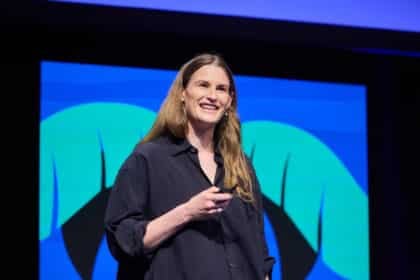
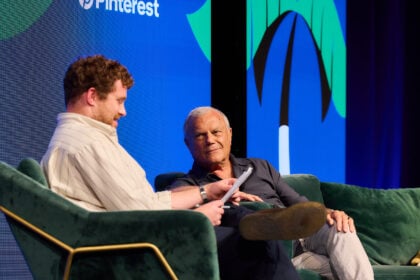
Peita Pacey & Liz Wigmore presenting their Dare to disconnect: is dopamine addiction killing our best ideas keynote at the MFA EX.
Peita Pacey (near) & Liz Wigmore (far) presenting at MFA EX.
SHARE

Dopamine addiction could be killing your creativity, according to Hearts & Science’s Liz Wigmore and Peita Pacey, leaving the ad industry even more exposed to the threat of generative AI.

Wigmore, Heart’s & Science’s MD and Pacey, the agency’s chief strategy and behaviour change officer, were speaking at the MFA EX conference in Sydney last week.

Together, the pair told the audience dopamine addiction—caused by constant notifications from mobile phones as much as short form video—impacted the ability to think deeply and mental resilience, as well as making people reactive, rather than proactively creative. For the creative industries, they said, this could have severe consequences if humans become unable to think beyond the bounds of AI.

“If our human competitive edge, which we know it is, is being erased by brain rot, then we all need to be aware of it,” said Wigmore.

Liz Wigmore.

The pair listed off a number of shocking statistics about the impact of dopamine addiction.

“Seventy per cent of people check their phones in the first hour of waking up… 86 per cent of people under 30, which is most of us in this room, is taking their phones to the toilet… we are spending about 30 per cent of our time on our phones and if you’re under 40 it’s actually more like seven hours per day,” said Wigmore.

And making the audience gasp, Wigmore followed with, “studies are showing that people who consume excessive short form video—the kind that hits the dopamine system—the impact on your brain is similar to having three alcoholic drinks per day.”

After being made aware of the dangers, Pacey and Wigmore went on to explain how marketers can put measures in place to combat brain rot.

Peita Pacey
Peita Pacey.

“What we don’t do is rely on willpower. Behavioural science tells us that willpower is a little bit like Wi Fi. It’s patchy, it’s very unreliable, and it is guaranteed to drop out when you need it the most. Instead, we build structure,” explained Pacey.

The human brain is rewiring itself to crave those really quick hits of novelty, so humans get better at reacting fast, but worse at thinking deeply. Which Pacey joked “is great if you’re a ninja, but not if you actually need to solve complex problems for your clients for a living.”

Dopamine is the chemical produced by the brain that helps us learn and stay motivated—it isn’t simply the ‘feel good’ chemical that many believe it to be. It’s the brain’s teacher, informing it when something is important and when to pay attention.

Every time you receive a notification or a piece of new video content, your brain receives that little dopamine hit. This hit feels meaningful, needed and it feels good. Now, however, smart phones have made these hits constant. Instead of getting a burst when you achieve something meaningful, you get hundreds of hits a day—rotting the brain’s frontal cortex.

Social media platforms, for instance, have come under fire for utilising this kind of UX before. Infinite scroll, intermittent reinforcement and consistent notifications to trigger dopamine releases to create an unhealthy cycle for users.

So what can you do to wean yourself off the dangerous dopamine and to keep kicking goals for your clients? Wigmore and Pacey had some thoughts.

You could plug yourself into a self-imposed digital rehab with 45-second deep block sessions. Immerse yourself into a completely disconnected environment with no emails, notifications or distractions. By doing this, Wigmore said “we’re investing in ourselves and plugging our brains back in…. even just one of these deep blocks a day can literally refocus your mind for better clarity”.

Turning off your phone’s notifications for the first hour of the day and limiting your social media usage to just 30 minutes per day. “Schedule it into your routine. Because then if you do that and you’re mindful about it, you actually get the benefits of social media,” said Pacey.

You should also make space for ideas and, in their words, reclaim your imagination. “Make space for people to have really bad ideas. What usually follows all of those bad ideas is gold, right? But one sometimes will have to wait for 100 ideas before you get to the gold sometimes. Creativity can take time,” added Pacey.

The pair left the viewers—most of whom presumably now chomping at the bit to take a look at their notifications—with a parting pearl of wisdom.

“Disconnection isn’t deprivation, it’s actually restoration.”

Now, back to your emails.

Join more than 30,000 advertising industry experts
Get all the latest advertising and media news direct to your inbox from B&T.

No related posts.


TAGGED: Hearts & Science
Share
Oliver Cerovic
By Oliver Cerovic
Oliver is a journalist at B&T, joining in April 2025 after completing a Bachelor of Communications, majoring in Journalism at UTS. He covers media agencies and owners, and has a strong interest in sports marketing. Oliver has a background in sport, previously writing for Fox League and the Manly Warringah Sea Eagles. He famously hit a last-ball six in the 2026 Big Clash to deliver his Indies side to a 19 point loss.

Latest News

Inside the Creator-Led Media Economy: Coachella
17/04/2026
TV Ratings (16/4/2026): Seven’s AFL & Nine’s NRL Battle For Primetime Supremacy
17/04/2026
AARON Awards Reveal Inaugural Winners
17/04/2026
Twilio Launches Flex SDK For Contact Centres
17/04/2026
//

B&T is Australia’s leading news publication magazine for the advertising, marketing, media and PR industries.


B&T is owned by parent company The Misfits Media Company Pty Ltd.

About B&T

  • About
  • Contact
  • Editorial Guidelines
  • Privacy
  • Terms
  • Advertise

Top Categories

  • Advertising
  • Campaigns
  • Marketing
  • Media
  • Opinions & Analysis
  • Technology

Sign Up for Our Newsletter


B&TB&T
Follow US
© 2026 B&T. The Misfits Media Company Pty Ltd. All Rights Reserved.
Welcome Back!

Sign in to your account

Register Lost your password?