
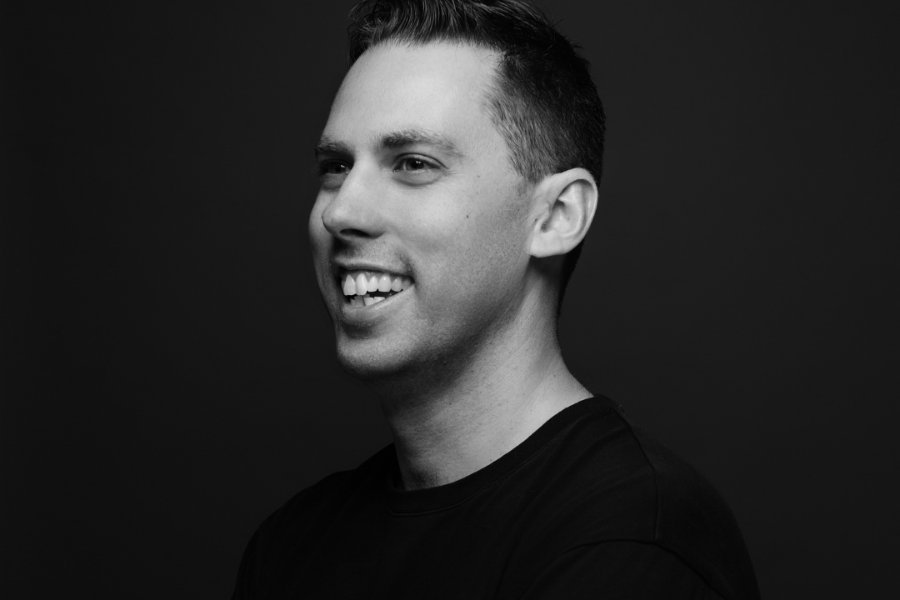
In this op-ed, Intentional co-founder and CEO Chris Fraser argues that while brands are bringing performance marketing in-house, the bigger challenge is ensuring brand strategy and long-term demand creation receive the same attention and investment.
Brands are insourcing the performance layer just as the platforms automate it. The harder problem is who owns the other half of the plan.
Commonwealth Bank recently expanded CBAgency to pull creative, media, campaign planning, content and social into one in-house team. It will be read as another win for in-housing, and the trend is real. Our own SEEK pull in September found roughly 30 of 32 Melbourne “performance marketing” vacancies sat with brands, not agencies, with the same ratio nationally.
But the debate is framed around where the work sits, not what the work is.
The execution layer is being compressed
With Advantage+, Performance Max and Meta’s Andromeda retrieval layer, account structure, audience segmentation and bid management are collapsing into platform defaults. Creative is increasingly the targeting lever, and the buyer’s job narrows to signal quality, structure hygiene and creative supply.
That is a real skill, but it is a thinner one than the role was five years ago. And the learning that makes a buyer sharp comes from cross-account pattern recognition, which a single brand team just can’t replicate.
Current demand versus future demand
James Hurman’s Future Demand frames the problem well. Current demand is the pool of buyers in market now. Future demand is everyone who will be later. Estimates of in-market share run from about 5% to 25%, depending on the category. Performance channels harvest current demand. Brand builds the memory structures that decide who gets chosen when future demand arrives. Because current demand is attributable and future demand isn’t, the performance trap sets in: the measurable half wins every budget argument.
Budget parity is not effort parity
Even where media spend moves towards a more even brand and performance split – Binet and Field’s long-run optimum is around 60/40, and the market has drifted to roughly two thirds performance – strategy and creative effort rarely follows. Performance has the testing roadmap, the weekly review and the dedicated headcount. Brand gets what’s left.
That makes in-house KPI design the real risk. A team measured on platform ROAS will optimise to harvest. The reporting also flatters it: a 2019 Marketing Science study of large Facebook experiments found that standard attribution off by about three times in roughly half of cases, and usually overstating. And platform-reported ROAS summed across channels can exceed actual revenue.
What CMOs and in-house leads should do
- Run two scorecards. One for current demand – such as new-customer customer acquition cost (CAC) and platform efficiency – and one for future demand, such as reach, distinctiveness, search and direct trends. Don’t let the first judge the second.
- Steer on a blended marketing efficiency ratio (MER) and new-customer CAC, with one named owner. Treat platform ROAS as directional, and run a location specific campaign, geo-holdout or deliberate pause each quarter where volume allows.
- Audit effort, not just spend. Where do strategy and creative hours actually go? If 60 per cent of spend is on brand and 10 per cent of effort is, that’s the gap.
- Choose the partner model deliberately. Options include an outside strategy and creative partner with in-house execution, a platform specialist alongside an in-house brand team, or embedded support. What matters is that future demand has a senior owner and enough capacity behind it.
The CBA structure is instructive here. It keeps a CMO for brand and partnerships alongside the in-house agency. Few brands can afford to staff the whole system, and most that copy the in-house model staff only the half that’s easiest to measure.
Agencies aren’t off the hook either. Those still selling media management as their core product are on the wrong side of this same shift.