



Sun safety has been included in the recently released changes to the Marketing Association of Australia’s (MAA) advertising Code of Ethics.
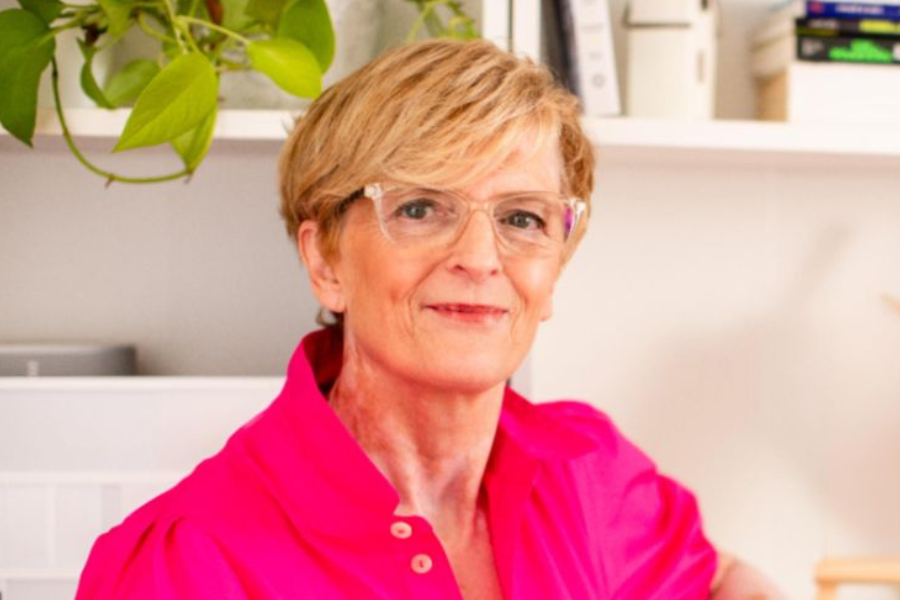
For Anne Gately, a stage IV melanoma survivor with a career in advertising, this is the culmination of an eight-year campaign. After recovering from melanoma, Gately was reviewing an advertising campaign when she had a visceral response.
“I was shocked by the ad, as it glorified tanning. That’s when I realised the industry I had worked in for over 30 years was part of the problem – it was reinforcing the aspiration of tanned skin,” she said.
The new advertising code will now recognise the disregard for sun safety (e.g. promoting tan lines, sunburn, deliberate sunbaking and tanning bed use) as dangerous behaviour or unsafe practices.
Gately has been advocating for a shift in Australia’s culture through more responsible representation within the media.
“The research is very clear. Showing imagery of an attractive person with a tan can increase tanning intentions and subsequent tanning behaviour,” said Gately.
“More people die from skin cancer than die on Australia’s roads, so it only makes sense that sun safety is taken as seriously under the code as road safety”.
Skin cancer is a significant issue with two in three Aussies will be diagnosed with it and It’s the largest cancer expense in the Australian health budget at circa $2.9 billion.
When the MAA opened the public consultation process to review the Code of Ethics in October 2025, Gately convened a group of allies who work in skin cancer prevention at The Cancer Institute NSW, QLD Health, Skin Cancer Prevention QLD and Skin Cancer College Australasia. Together they developed a submission and met with MAA to make the case to recognise the dangers of sun exposure. Through their networks they encouraged others to make submissions, which resulted in over 50 responses requesting the change.
“Queensland has the highest incidence of melanoma in the world and when I see advertising that encourages tanning, I despair at the impact I know it will have on skin cancer rates,” said Skin Cancer Prevention QLD co-chair Monika Janda.
“This is a fantastic step forward that will help shift social norms around tanning. By moving away from images that portray suntanned skin as healthy or desirable, we can reinforce that there is no such thing as a safe tan and support a culture where protecting your skin from UV radiation is part of everyday life,” said Cancer Institute NSW director of cancer screening and prevention Professor Megan Varlow.
The new Code of Ethics will take effect on May 1, 2027.


