



Unilever has expanded its global creator network from 75,000 to more than 500,000 in two years, as the FMCG giant rolls out a marketing model combining artificial intelligence, social-first content and data-led media investment.
The expansion forms part of the company’s broader demand creation strategy, which is built around four capabilities: recommendation, content, influence and media.
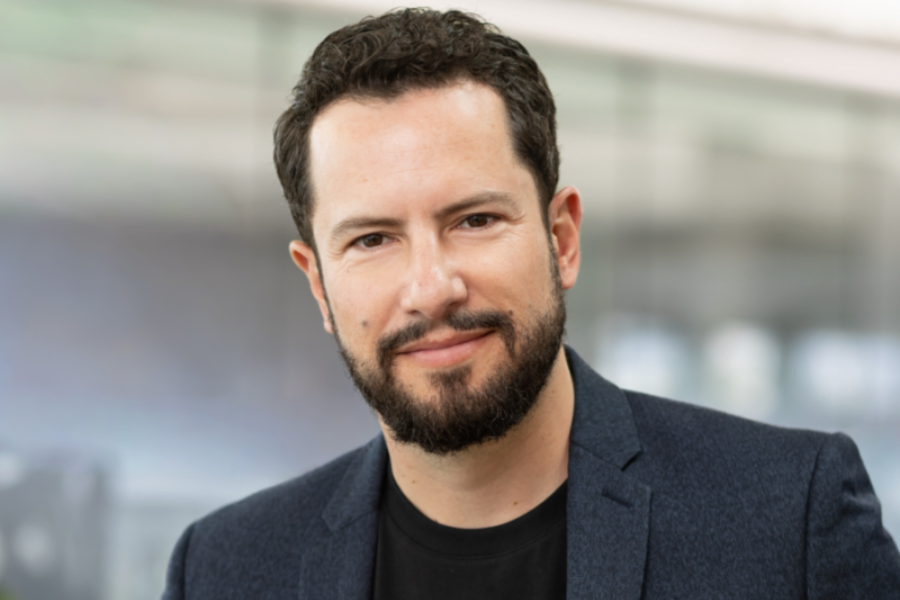
Unilever chief marketing officer Leandro Barreto outlined the approach as the company detailed how it is changing the way its brands reach consumers across digital platforms and markets.
Creator partnerships are now a significant part of the model, with Unilever reporting that content produced by creators delivers approximately 1.5 times the return of brand-produced content.
“Creators are now shaping what people believe,” said Barreto at Unilever’s recent Invest Event in New York.
The company has also increased its content output, producing 12 times more assets than it did in 2024 while reducing the average cost by 90 per cent.
“Scale becomes an advantage if you build for it,” he added.
“And as machines get more capable, being human becomes more valuable.”
Unilever’s AI-powered content engine has reduced the time required to produce a video from three weeks to three hours. The system incorporates the individual identity and core propositions of each brand into the production process.
Unilever has also invested in how its brands appear in AI-generated recommendations. The company said it tracks more than one million prompts each week to monitor which brands are being recommended by AI assistants and identify opportunities to improve their visibility.
It said 91 per cent of the brand-market positions it tracks improved their large language model rankings over the past six months, with a Unilever brand appearing among the top three recommendations in eight of its 10 key markets.
To support this work, the company has structured 150,000 scientific documents so AI systems can access information about its products, claims and supporting evidence.
Unilever uses proprietary technology to track how advertising investment converts into sales across more than 40 retailers in more than 20 markets.
The company said this has improved return on investment by approximately 10 per cent on average.
It has recently expanded the system to more than 65 retailers across 30 markets, while separate technology designed to optimise digital media buying is expected to deliver more than €65 million (AU$106 million) in efficiencies this year.
Unilever also highlighted its FIFA World Cup 2026 activity as an example of the model operating across multiple markets.
The company worked with 50,000 creators and distributed more than 100,000 pieces of content across 120 markets.
Limited-edition products connected to the campaign generated approximately €350 million (A$571 million) in sales, while Unilever Personal Care recorded its highest summer value and volume share in three years.
“Technology gives us scale, but culture gives us meaning, and we are building brands that win through both. We’ve never had the distance between desire and sales so short, because social commerce brings together content, creators, recommendation, shopping in one experience,” Barreto said.


