
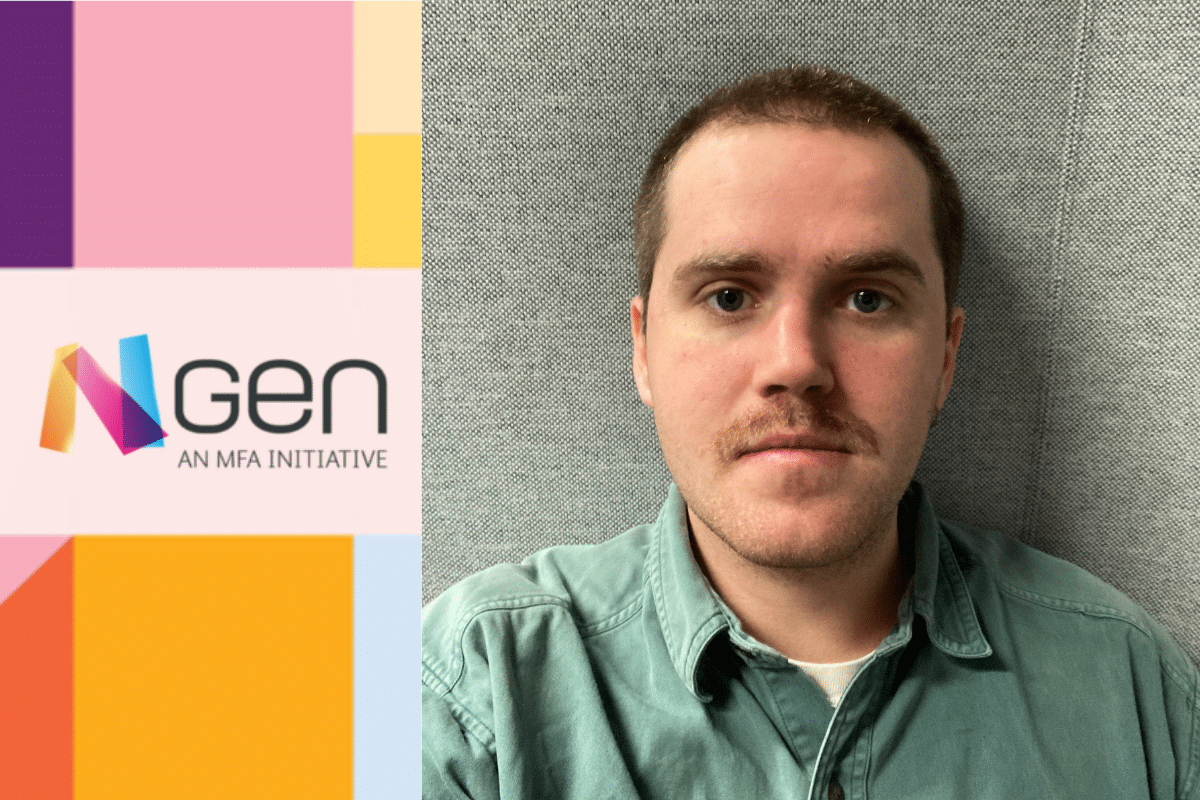
In this monthly column with NGEN, the MFA’s training program for media professionals with less than five years’ experience, Seven Network’s Finley Loiterton explores the role of emerging media professionals in shaping the future of ethical media.
In today’s professional landscape, many of us are navigating a growing tension between personal values and the expectations of corporate environments. Traditional workplaces prioritise profit, hierarchy and established norms, which can clash with values like sustainability, inclusivity, transparency and social justice.
As more Gen Z Aussies enter the professional sphere, they bring with them a strong desire to make meaningful changes by challenging outdated practices and aligning their work with their personal ethics. This leads to a deeply personal question: Can you stay true to your values in a corporate setting?
Younger generations, particularly Gen Z and Millennials, are leading a cultural shift in how society approaches climate, equality, diversity and justice. According to research from the Pew Research Centre, these generations are more progressive than their older counterparts, especially on social justice and environmental policies. They are more likely to engage in activism through donations, volunteering, social media advocacy and protesting. This commitment to justice extends to racial inequality, gender inclusivity and broader social reform.
These values are not just personal beliefs—they actively shape career expectations. Many Gen Z and Millennial professionals seek employers whose missions align with their ideals, prioritising workplaces that are diverse, inclusive, and purpose driven. For these early-career professionals, a job is not just a paycheque, it can be a platform for impact.
And yet, many traditional corporate environments remain slow to evolve. Harvard Business Review highlights that traditional offices—often shaped by hierarchical structures, rigid performance reviews and a profit-first mindsets—operate on values that clash with a more progressive way of thinking. While previous generations may be accustomed to top-down leadership and opaque decision-making, younger professionals tend to prioritise transparency, collaboration and purpose-driven work.
The disconnect is especially evident in how diversity, equity, and inclusion initiatives are implemented. Many companies still treat DEI as a compliance checkbox rather than a core cultural value, failing to meet the expectations of a workforce that increasingly demands authenticity and accountability. This generational tension underscores the need for organisations to rethink their cultural frameworks if they hope to attract and retain emerging talent.
These kinds of feelings can also spill over into our personal lives. So, what do you do when a colleague or manager says something that is racist, homophobic, or classist? Do you speak up and risk being isolated, or stay quiet and compromise your values? It’s a hard line to walk, but these are the questions we should be asking ourselves every day at work: What can I do to help make this space safer and more inclusive for everyone?
Because real change doesn’t just come from policies, it comes from people. Each of us has a role to play in shaping a better workplace, and a better world.
Or as the late David Lynch once said: “Fix your hearts or die.” Getting involved in programs such as NGEN is a great way to make your voice heard and impact change.
Balancing career growth with more al identity is a deeply personal journey. The tension between progressive ideals and traditional corporate structures can create real friction, but awareness is the first step toward change. By demanding transparency, inclusion and integrity, early-career professionals can help reshape the workplace from within. You can stay true to your values in a corporate – the question is, what does that look like today?