



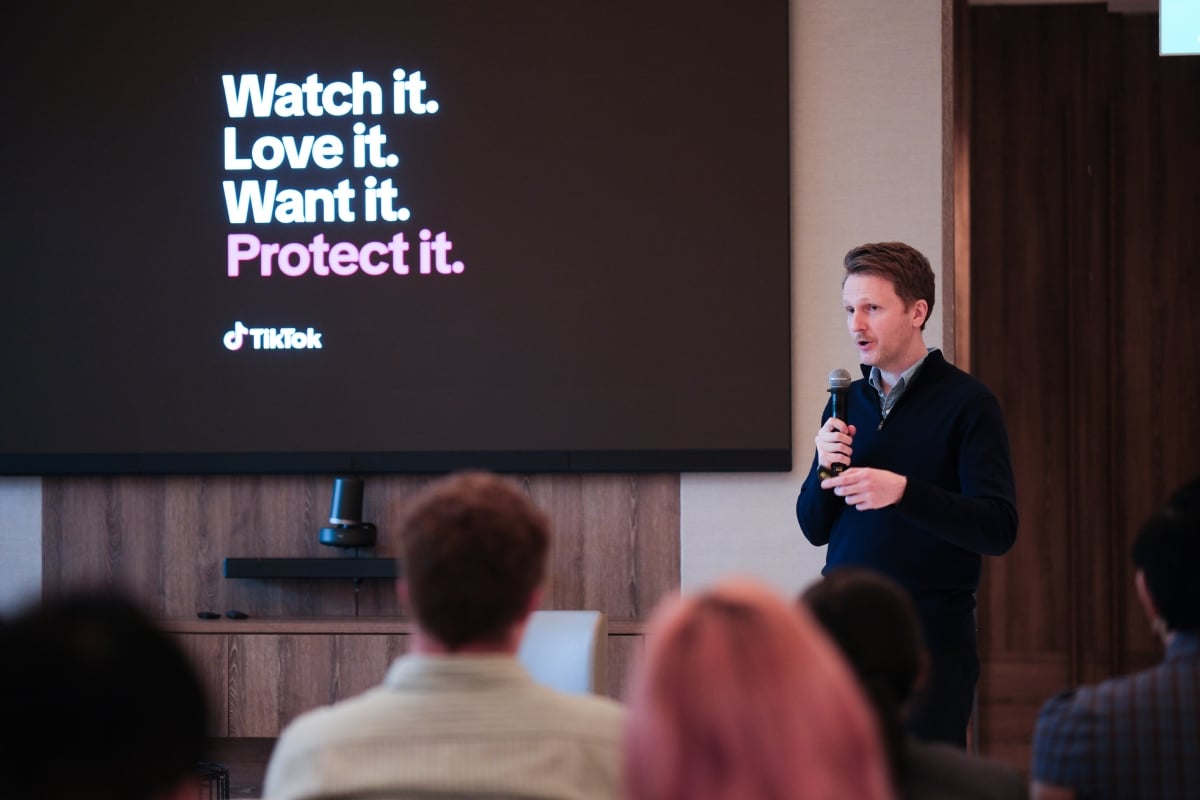
TikTok has introduced a new Brand Safety Centre alongside its Brand Protection Playbook and AI Safety Essentials guide as AI-generated and altered content becomes more commonplace across digital platforms.
The new resources, which TikTok is referring to as a “new guide to responsible AI-powered creativity in advertising” were developed with independent consultancy Responsible Marketing Advisory.
These playbooks offer advertisers and agencies specific and detailed guides on the variety of tools and measures that TikTok has to ensure that your brand’s expectations on safety, suitability and more are upheld.

If they are not upheld, the playbooks detail the steps an advertiser can take to resolve the issue across TikTok, TikTok Live and TikTok Shop. There are also proactive measures involving social listening and brand reputation reports that allow advertisers to get ahead of potential reputational challenges.

The announcements were made at TikTok’s APAC Responsible Media Forum in Singapore, which brought together 30 representatives from brands, agencies, and partners to chat brand safety.
TikTok said that its brand protection efforts go beyond “deciding where ads appear”. Instead, it takes a broader approach with three layers.
First, safe spaces: TikTok sets baseline safety standards for all ads. Brands set their own controls to suit their needs, including Inventory Filter, Category Exclusion, Vertical Sensitivity, and exclusion lists, with independent partners such as DoubleVerify, Integral Ad Science, and Zefr providing additional verification.
Second, real connections: Branded content labels let the audience know when a creator is working with brands.
Third, clear disclosure: AI-generated content labels help people identify content created or significantly changed using AI.
TikTok said its new Brand Protection Tools extend this approach and help brands understand the conversations about them to identify potential risks and take action early.
Its Market Scope Brand Perception tool, located in the Business Centre section of its app, shows how people are talking about your brand, how they feel about the brand and which topics keep coming up.
Its reporting copyright and trademark infringement tool allows brands to escalate IP concerns through their account team or report suspected infringement directly through TikTok’s reporting channels.
TikTok Shops IP Protection Centre lets brands and rights holders report listings that infringe their copyrights or trademarks with confirmed violations resulting in listing removal and seller strikes.
Finally, TikTok Real lets brands on TikTok Shop review seller authorisations, receive alerts on suspicious listings and removed confirmed counterfeits.
Why now?
AI is significantly altering the digital content and digital advertising games and TikTok is on the front line of both.
As of July, more than 3 billion videos on TikTok have been labelled as AI-generated content either by the video’s creator or TikTok’s own tools.
More than 37 million creators used TikTok’s AI-generated content labelling tool in the “first several months” after its release.
That volume of content poses challenges to advertisers. Will consumers trust the content they see? Will consumers continue to watch TikTok content at the same rate if more of it is generated by AI? Will that content pose problems for my brand and how it appears?
The new resources are TikTok’s effort, though far from its first, to assuage those concerns from among advertisers.
“The first question I got when I took this job six years ago was ‘Do you have brand safety controls?'” Francis Stones, TikTok’s global head of brand safety and responsible investment, told B&T during the APAC Responsible Media Summit.
“At that time, we didn’t. We moved quickly, built the products and the partnerships. People started to trust us with test budgets. What’s happened is the complexity of the internet and the problems we’re facing and how brands want to resolve and deal with those [has increased].”

To be clear, TikTok is not being pejorative when it talks about AI-generated or AI-edited content. It’s a factual descriptor, not an indicator of AI slop.
And, according to March 2026 research by Omnicom Media Trials and Zefr, consumers aren’t put off by AI either: 61 per cent of nearly 5,000 US and Canadian consumers said they positively view AI art and creative expression.
However, TikTok quoting research from Meltwater with YouGov is that 86 per cent of consumers say it matters that AI content is disclosed. Nearly three-fifths say that a lack of disclosure would reduce their trust.
However, advertisers, according to Stones might be “overly conservative” about their use of AI labels on organic videos, potentially fearing that any mention of AI would cause problems.
“The policies are, essentially, top-level. If AI has changed the context of the content you’re watching, label it as AI. If you’re just changing the colour of this sweater from blue to green, unless you’re selling the sweater, it doesn’t change the context. In an organic post, it doesn’t really matter,” he said.
TikTok has also introduced its ‘Responsible AI Framework’ and is testing an AI-generated content slider for users to control how much AI content they see.
“The biggest driver of confidence to invest in the platform and their trust in TikTok was the quality of the user experience,” Stones said.
“The foundations of the quality of the user experience [are] strong content moderation, protecting people’s safety, especially our younger users and teenagers who use the platform, data protection, security. That was top of the agenda for advertisers, also having strong programs on misinformation, fact checking.”
It’s this strong user environment that proves more enticing for advertisers, according to Stones, rather than blunt metrics like time on site.
“It’s about creating an environment that people want to spend time in. If you get people there, they’ll start to create content, they’ll feel comfortable and communities will start to be created,” said Stones.
“That’s what brands are interested in, the communities that they can align with and be part of. Time spent [on platform] is a metric, but it’s everything that goes around that. It’s time spent doing what? Creating great content, building communities, creating a new tone of voice for your brand in a platform which was so different to anything else that came before it. [Time spent] is a metric but, when you’re doing an advertising or an organic campaign, delivery, engagement and those other metrics are important too.”
The bigger picture
Zooming out, TikTok’s announcements come as the digital platforms face scrutiny and shifting legislative sands around the world.
At the end of 2024, Australia’s Online Safety Amendment banned children under 16 from holding accounts on the major social platforms – including TikTok. The UK is set to follow suit with a similar law next year.
In Germany, successive court rulings in September found Meta and Google liable for fake adverts on its platforms.
Australia’s Digital Duty of Care proposals would introduce further changes to the way content is served and user engagement is managed on digital platforms, including a ‘My Feed, My Way’ initiative that would make users have to ‘opt in’ to algorithmically driven content. While there are few direct changes for digital advertising, there is increased interest in the way platforms operate.
The advertising industry’s self-regulation frameworks, Stones said, are “very strong” particularly as it relates to advertising through bodies such as the Media Ratings Council, Ad Standards in Australia, ICAS at a global level and the European ERSA.
TikTok’s own brand protection and AI tools, he added are based on “constant feedback loops” with the industry. He added that advertiser concerns did not differ greatly from region-to-region or country-to-country.
But he stressed that advertisers should “continue to hold us accountable”.
“That’s how you learn. That’s how we iterate. That’s how we improve… Tell us when you think we’re doing it wrong, or when we’re not doing it in a way that’s reflective of the guidelines or principles… Don’t be afraid to tell us because we’ll look to improve. It might be that there’s not actually an issue,” he said.
“But just hold us accountable.”
B&T travelled to Singapore as a guest of TikTok.


