
Penrith Panthers and NSW Blues star Nathan Cleary is preparing to take legal action after discovering his likeness had been manipulated by artificial intelligence and printed on flyers left on hundreds of cars at the State of Origin decider in Sydney.
As first reported by The Sydney Morning Herald, the NSW halfback has engaged legal representation and plans to pursue both civil and criminal avenues against those responsible for the unauthorised and misleading use of his image.
The flyers, found on windscreens in the P1 carpark at Sydney Olympic Park following Queensland’s series-clinching win at Accor Stadium, featured an AI-generated image resembling Cleary, dressed in a Blues jersey with his arm around a similarly AI-fabricated woman.
The flyer read: “Way to go Blues! I knew you had rizz! I’m taking this one home!” A small disclaimer at the bottom revealed the flyer was “printed a week ago” – a detail that only added to the confusion since the Blues had, in fact, lost.
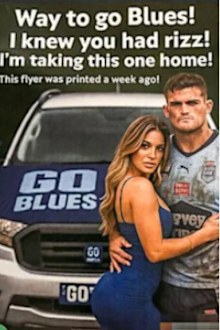
The term “rizz,” internet slang for charisma or charm, seemed to be used in jest, but the purpose behind the flyers remains unclear. There were no branding cues, website URLs, or contact details included, leaving fans and Cleary’s camp scratching their heads over the intent, be it a marketing stunt, parody or scam.
Cleary’s lawyer, Daniel McGirr, said the incident was part of a growing and deeply troubling trend.
“It’s a disgrace what they’re doing with these guys’ brands,” McGirr said. “There’s a couple of avenues that will go down the track of. One of them is civilly, but they are also obtaining a benefit by deception, which is criminal”.
The unauthorised use of Cleary’s likeness, particularly in a format that could be mistaken for a brand endorsement, raises serious concerns about consumer deception and the potential for scams. McGirr said the lack of clarity around who is behind the flyers and whether the promotion ties to any legitimate business at all compounds the legal complexity.
“We don’t know who is affiliated with these brands – or whether they are real brands to start with,” McGirr added.
“They might be scams. Say the punter on the street thinks, ‘Nathan Cleary is aligned to this, I trust him and he’s my hero’. They click on it, and they could be taken to some dark web or something like that and get scammed.
“It’s a criminal matter. With AI, this will get worse and worse until something is done about it.”
While the flyers themselves appear to serve no commercial function on the surface, the potential implication of celebrity endorsement, especially one generated through AI, poses a serious reputational risk for public figures like Cleary. The Panthers’ playmaker is known to be selective with brand partnerships and unauthorised promotions could undermine existing commercial relationships.
“There’s a bigger story here about protecting the players as well,” McGirr continued. “Something needs to be done from an NRL perspective, because the NRL merchandising section should be the most concerned.”
The incident also throws a spotlight on the broader regulatory vacuum around AI-generated content in Australia, particularly in the context of likeness rights, image manipulation and the commercial exploitation of public figures.
As Cleary’s team prepares to take legal action, the case could set a precedent for how sport, media, and advertising navigate the legal grey zones of synthetic media.