ChatGPT is getting a new virtual try-on feature, allowing users to see how clothes, shoes and accessories could look on them before they hit the checkout — putting the AI platform another step deeper into the fashion shopping journey.
OpenAI announced the global rollout on Thursday, adding a new ‘Try On’ button to ChatGPT’s shopping results as the platform continues its push beyond search and into product discovery and online commerce.
It isn’t the only big announcement from OpenAI as of late. In August, it launched a dedicated version of ChatGPT for teenagers in a move to help young people learn, “think critically” and develop healthier relationships with AI.
This new feature could give brands another way to get products in front of consumers without relying on traditional studio shoots, models and endless variations of creative.
Rather than producing separate assets for different models, body types, outfits or product combinations, AI-generated try-ons could allow shoppers to see a single item adapted to themselves. This could create a more personalised shopping experience without requiring brands to produce every possible version of the creative.
A retailer or clothing brand could, for example, provide product imagery that consumers can then use to visualise an item on themselves, shifting some of the work of demonstrating how a product looks from the brand’s marketing team to the consumer and the AI platform.
Users can upload a selfie or full-body photo, then use the tool to visualise an item on themselves. They can also upload an image of a product — including a screenshot from a retailer’s website — and ask ChatGPT to virtually try it on.
The feature is powered by OpenAI’s newly launched ChatGPT Images 2.5 model, which the company says delivers more natural lighting and richer textures, follows image-editing instructions more reliably and generates images faster.

Virtual try-on technology is not new to the sector.
Retailers and technology platforms have experimented with augmented reality and AI-powered fitting experiences for years.
Google launched its own virtual try-on capability last year, allowing shoppers to see how selected clothing items could look on them using their own photos.
Pinterest has also been building out its role in visual product discovery, while Snapchat has been experimenting with virtual fashion try-ons for years.

Meanwhile, Snapchat first introduced AR-powered virtual try-on capabilities for apparel, glasses and accessories in 2021, before expanding its shopping tools with its “Dress Up” experience in 2022 and its enterprise AR suite ARES in 2023.
ChatGPT’s new functionality also builds on the platform’s existing shopping capabilities.
Users can describe a particular style and ask ChatGPT to find products that could complete the look, while images of celebrity outfits can be uploaded to identify and find similar items available to purchase.
That puts ChatGPT increasingly into the same fashion discovery territory that has traditionally been occupied by platforms such as Pinterest and Google – where inspiration can ultimately lead to a retail transaction.
The move comes after OpenAI previously experimented with a more direct route into shopping through an instant checkout function.
The company has since continued exploring how ChatGPT can influence the path from product discovery through to purchase, while other AI platforms have also begun testing more proactive product recommendations.
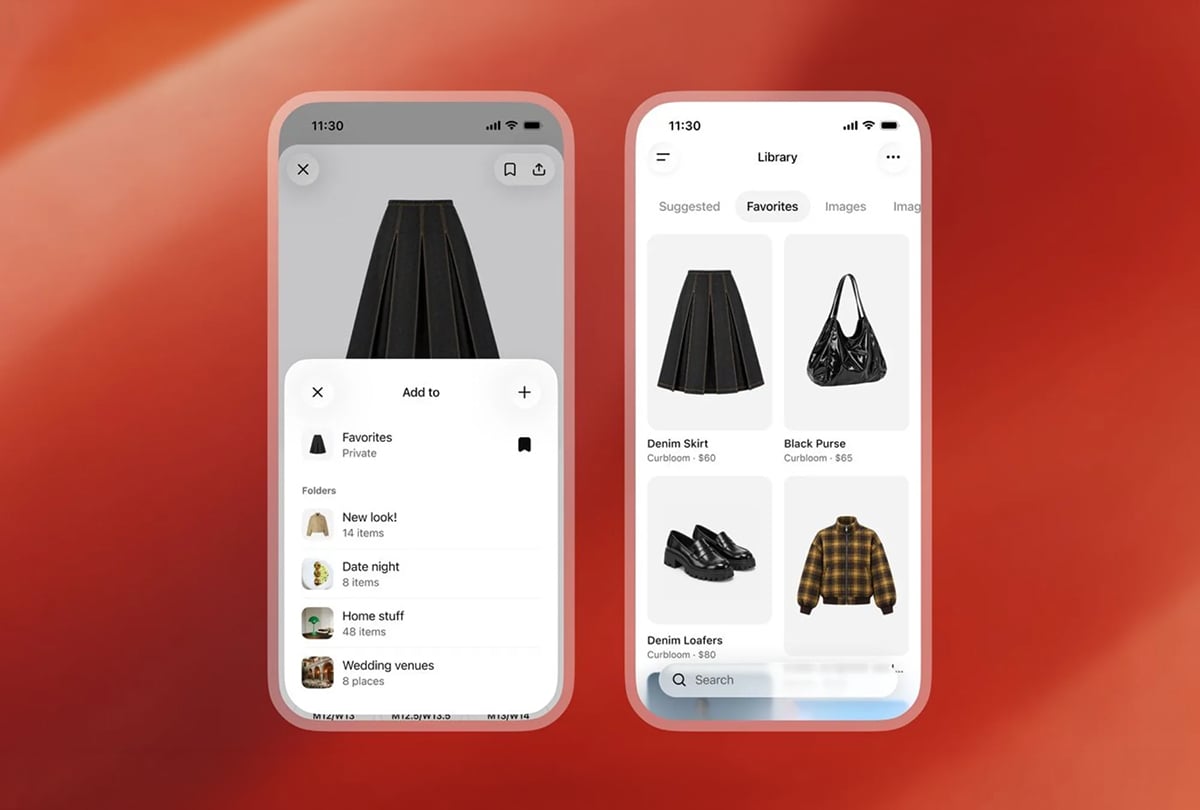
Alongside virtual try-on, OpenAI has also introduced “Favorites”, allowing users to save products they discover in ChatGPT to a Library and return to them later. Try-on images will also be stored there.
B&T has contacted OpenAI for comment.