Canada has tabled legislation this week that would prohibit under-16s from accessing social media, as well as AI chatbots or large language models (LLMs).
The North American nation has joined a growing list of countries looking to scale back access to social media platforms following Australia’s unprecedented legislation that came into effect in December 2025.
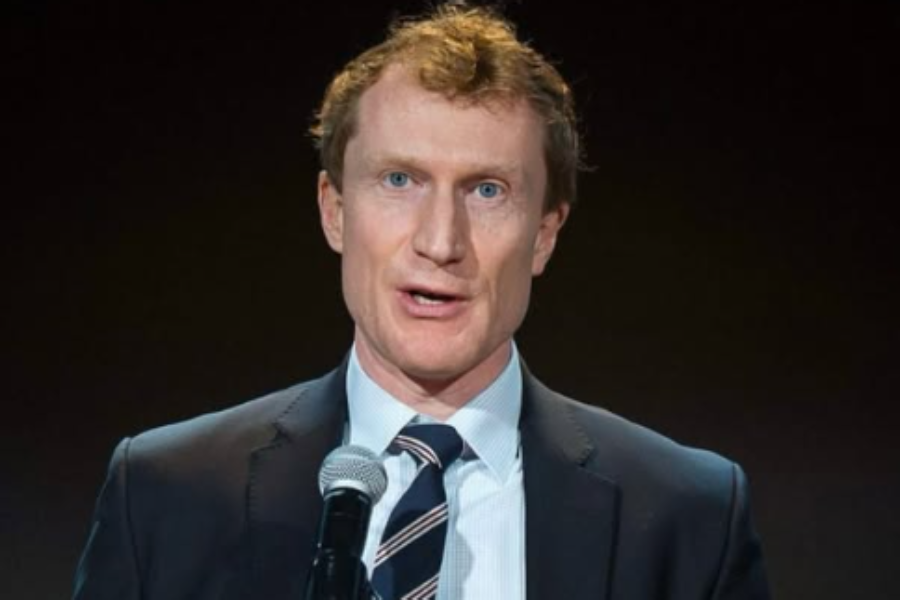
Canada’s Safe Social Media Act was introduced in its House of Commons on Wednesday by Identity and Culture Minister Marc Miller. The bill still requires parliamentary approval before it becomes law.
The legislation would establish new safety requirements for social media services and AI chatbot services. It would require platforms to identify risks of harm, implement age-appropriate design features, make user guidelines publicly available and submit digital safety plans.
The bill does not specify how platforms would be required to verify users’ ages, leaving those details to the newly created regulator. The bill has, however, proposed to create a new Digital Safety Commission to enforce the rules and ensure compliance.
Unlike Australia’s blanket ban, Canada’s bill includes a pathway for social media services to seek an exemption from the age restriction if they can demonstrate they have put sufficient safeguards in place for children.
AI chatbots are included in the bill’s regulatory scope though age restrictions will not apply to them. The bill also excludes gaming platforms such as Roblox from the age limits.
“Enough is enough. Our parents cannot face these challenges alone and the safety of children cannot be an afterthought. We need basic protections in place, so every child in this country can be safe on the platforms they use everyday,”
“The measures in this bill, represent the basic expectations that parents and Canadians have for keeping their kids safe online,” said Miller.
Penalties for non-compliance are set at whichever is greater, either CAD$10 million (AU$10.1 million) or three per cent of a company’s gross global revenue.
The bill comes after two failed attempts by Canada’s Liberal government to pass online safety legislation. It arrives amid heightened public pressure following a mass shooting at a British Columbia school in February that killed eight people. The 18-year-old perpetrator had reportedly used an AI chatbot to discuss gun violence in the months prior to the attack.
The reaction from child safety advocates has been positive. The Canadian Centre for Child Protection described the bill’s tabling as a historic moment and called the age restriction a recognition that childhood demands protection rather than exploitation.
UNICEF Canada president and chief executive Sevaun Palvetzian welcomed the bill while flagging a gap in its current form.
“We’re asking the government for two additional pieces to accompany the bill: 1) to complete an in-depth child rights impact assessment and, 2) to ensure the bill has robust enforcement mechanisms and an appropriately funded regulator in order to hold platforms accountable to meet their obligations to children,” said Palvetzian.
The legislation arrives ahead of next week’s G7 summit in France, where protecting children from online harm is expected to be on the agenda.
The UK is also understood to be weighing a similar ban for under-16s, with an announcement anticipated in the coming days. Other European countries are seen to be following suit with Greece set to introduce its own restrictions for under-15s in January.