
Boomtown has encouraged brands to look beyond long-held assumptions about regional Australia and realise the commercial value of Boomtown advertising, as part two of the Boomtown Spend Snapshot with insights provided by CommBank IQ, launching this week.
The latest Boomtown Spend Snapshot: The Regional Reality Check, commissioned by Boomtown, with insights provided by CommBank iQ, challenges assumptions that Boomtown residents are largely retirees with reduced spending power and traditional spending habits.
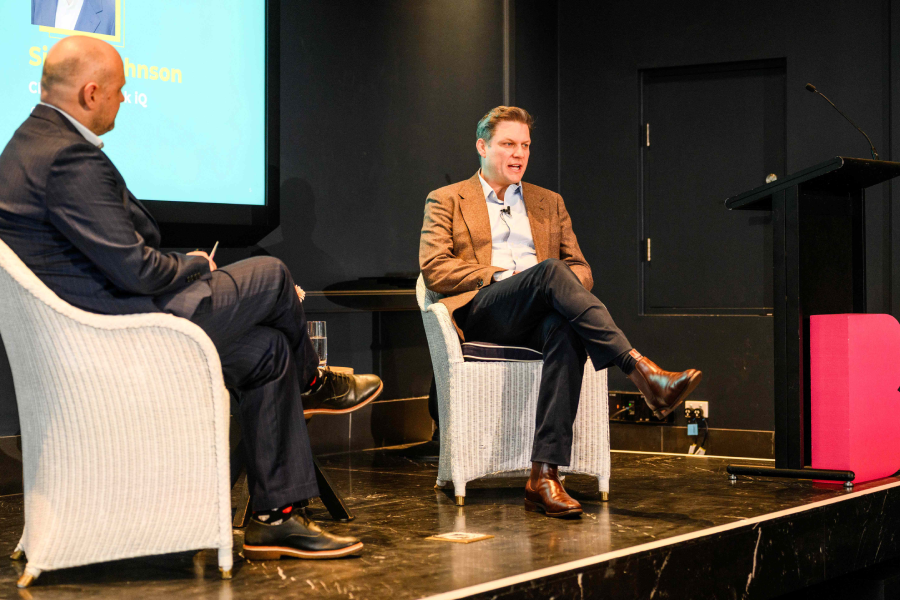
The new report was unveiled yesterday at Sydney’s Ivy Sunroom, featuring a fireside chat with CommBank iQ CEO Simon Johnson.
The CommBank iQ report tracks the real spending habits and behaviour of Australians, sourced from 17 million customers across 61- spending categories and sub categories and more than 200,000 brands.
It revealed that nearly half (45 per cent) of people who moved to Boomtown since mid-2022 are aged 18 to 34, challenging the assumption that regional movers are mainly retirees.
More than a third (32 per cent) of new-to-Boomtown residents were aged 25 – 34, and 37 per cent of them were either young families or single/couples, demonstrating the new wave of younger, family-focused residents. Young families also spend the most in Boomtown ($137.5 billion), with single households and couples contributing $46.8 billion.
New data has found that regional Australians now contribute more than $274 billion to the national economy, up from the $250 million reported in Boomtown’s first Spend Snapshot, released earlier this year.
Boomtown residents now spend as much per person as metro consumers, the report reveals, debunking the myth that regional Australians are lower-value customers. They also outspend their metro counterparts in many key discretionary spending categories, including outdoor and active lifestyle, fitness, online streaming and entertainment, and computers and electronics.
Regional areas that recorded the highest scale and diversified demand from consumers included Canberra, Geelong, Hobart, Newcastle and Townsville.
The Gold Coast, Sunshine Coast and Cairns were identified as best for brands seeking affluent, lifestyle-led and newly relocated consumers.
“Regional Australians are not just retirees, not just farmers and certainly not a market without spending power. This new data reveals an audience that is younger than expected, with consumers whose lifestyles and spending behaviours increasingly mirror their metropolitan counterparts, and in some categories, exceed them,” said Boomtown chairman Nathan Patrick.
“For brands and advertisers, the opportunity is to look beyond the postcode, and understand the people behind it, because when 37 per cent of Australia’s population lives regionally and contributes $274 billion in annual spending, Boomtown should be a part of every media plan”.
“Collectively, regional consumers represent a very substantial share of Australian consumer expenditure. The market has changed, it continues to change, and the data gives us a clearer picture of what today’s regional consumer looks like. By looking at regional Australians through the lens of long-held stereotypes, you can understate the diversity and value of this audience. The regional consumer represents a substantial part of the Australian consumer economy,” said Commbank iQ chief executive Simon Johnson.
The latest Boomtown Spend Snapshot was collated from de-identified transaction data from more than 17 million Australians across 61 spending categories and sub categories and more than 200,000 brands. The data is based on real behaviour, not just intent, and is weighted to reflect all Australian consumers. CommBank iQ classified customers into metro and regional audiences based on their migration patterns pre- and post- mid-2022.