



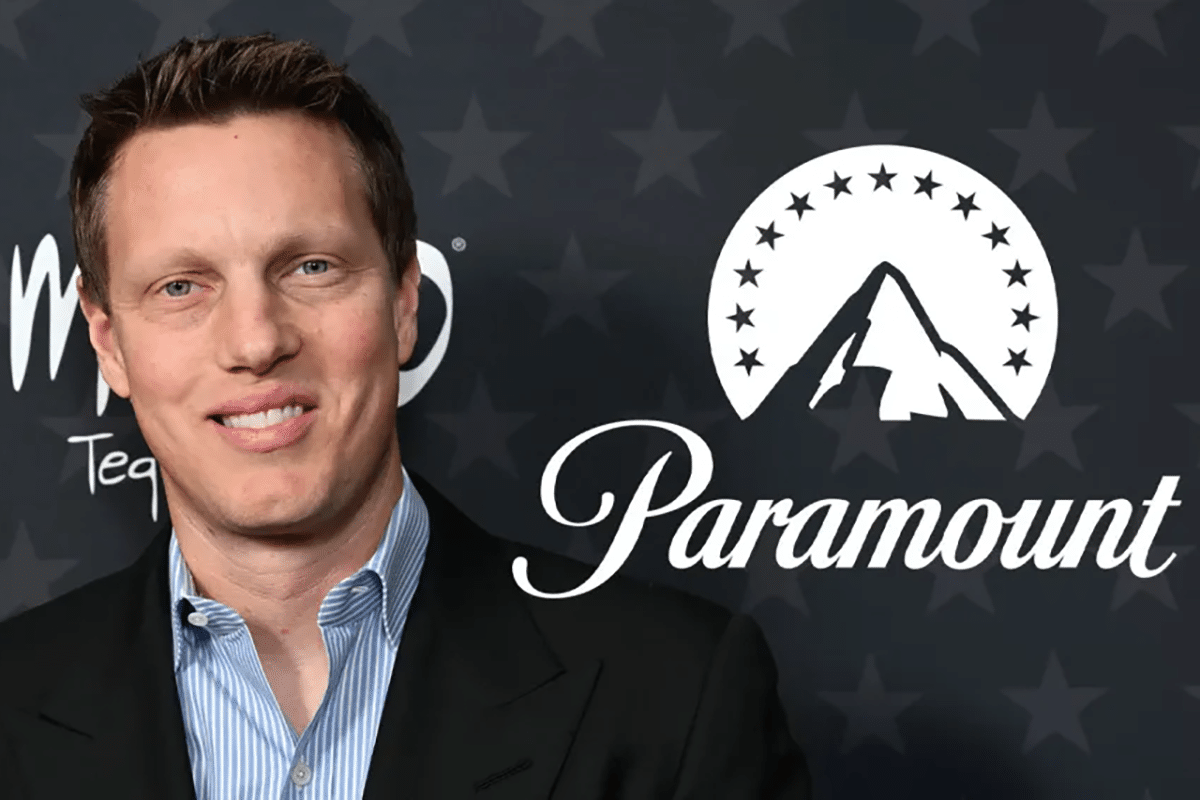
Paramount has reached an agreement to resolve the antitrust lawsuit delaying its US$111 billion acquisition of Warner Bros. Discovery.
The US-based media conglomerate was facing a lawsuit brought by a group of US states in July.
The states, led by California attorney general Rob Bonta, argued that the WBD acquisition would concentrate too much power in one company, given Paramount’s control of cable TV and WBD’s place in the film industry.
After on-and-off-again negotiations, Bonta told a news conference on Monday that the parties had agreed to a number of concessions to complete the deal.
Paramount will establish a board to ensure the editorial independence of CNN and CBS News and commit to distributing 30 movies in cinemas annually.
It also committed to spending an additional US$1.5 billion on movie production until 2031. It also promised to increase the share of those movies that are made in the US.
If it does not meet these obligations to produce and distribute films, Paramount must sell off parts of the company, according to the terms of the settlement. The settlement also requires the combined company to sell its bundles of cable channels to distributors separately to keep cable TV prices down. It must also maintain ownership of the historical studio lots of both companies, a guarantor that production will continue in California, and operate a fund for purchasing independent films.
Paramount did not agree to proposed concessions such as selling CNN or one of the movie studios. A court still needs to approve the resolution.
The agreement between the states and Paramount has removed the last significant barrier to the acquisition going ahead. When completed, Paramount will become the largest single media company in the world, with control over streaming services Paramount+ and HBO Max, CNN and CBS News and all of WBD’s movies.
It would also make David Ellison, Paramount’s chief exec, one of the most powerful figures in the world’s media industry. He is backed by his billionaire father Larry Ellison who is a close ally of US President Donald Trump. What are the chances.
In a statement, David Ellison praised the deal saying it would build a “stronger Hollywood”.
“Our shared aim was an outcome that best serves consumers, workers and — most importantly — the creative community so vital to the art of visual storytelling,” Ellison said. “We’re confident this agreement does exactly that.”
Bonta, however, wasn’t so effusive.
“I want to be clear about something right up front: This settlement is not a vote of support for this merger,” Bonta said. “It is not a blessing of the broader merger. Broadly speaking, we believe further consolidation of markets that are central to American economic life doesn’t serve the American economy.”
How the deal plays out in Australia, where Paramount, which owns the distant third-placed free-to-air TV network Channel 10, remains to be seen. The addition of HBO Max’s back catalogue to Paramount+, for instance, would make for quite the movie and entertainment package.
Paramount’s takeover of Warner Bros started in December last year. Netflix was also in talks to acquire Warner Bros but shareholders ultimately chose the former.


