In this op-ed, Initiative’s comms design manager Joe Douglas and strategy director Lauren Corner explore how the Australian Open has evolved into a cultural playground where brands measure success not through spending, but by meaningfully participating.
Walking into Grand Slam Oval felt less like arriving at a tennis tournament and more like stepping into a live cultural feed. It was like scrolling but in real time, a canvas filled with epic food, fashion beauty, booze and music all unfolding in front of your eyes. You barely noticed who was playing on the big screen.
Unlike Wimbledon, where tradition is held high, the AO invites brands to play. And that isn’t accidental. With the tournament reportedly on track to double its sponsorship revenue across 5 years, the AO isn’t just accommodating brands, instead actively building a playground for them.
The AO has moved far beyond debates over opening matches and logo placement. It has become a dynamic platform where brands, culture and competition converge. In contrast to the Super Bowl’s one-day media spike, the AO offers something more enduring: a sustained, two-week cultural presence that brands can meaningfully build into.
At this year’s AO, the gap between brands that showed up vs brands that stepped up was difficult to miss.
The winners weren’t shouting. They were smarter. They understood that success at the AO depends on cultural intelligence, reading the arena and knowing how people behaviour in culture to create an unforgettable brand experience.
Get your role right, and you earn disproportionate impact. Get it wrong and you’re just another activation paying millions to melt into the concrete.
Mecca didn’t rent space, it claimed territory.
Its multi-storey AO Pro Shop was far more than a pop-up; it was a pilgrimage for beauty lovers. Touch-ups, testers, SPF stations and a sense of local ownership of the Aussie sun turned beauty into part of the AO ritual. Where others sold product, Mecca built culture and let earned media do the heavy lifting.
New Balance understood that fandom today is experienced as it is worn. By blending premium retail with out of the ground moments (like getting your nails manicured like Coco Graff in their pop up in Fed Square), the brand blurred the line between athlete and audience well beyond shoes.
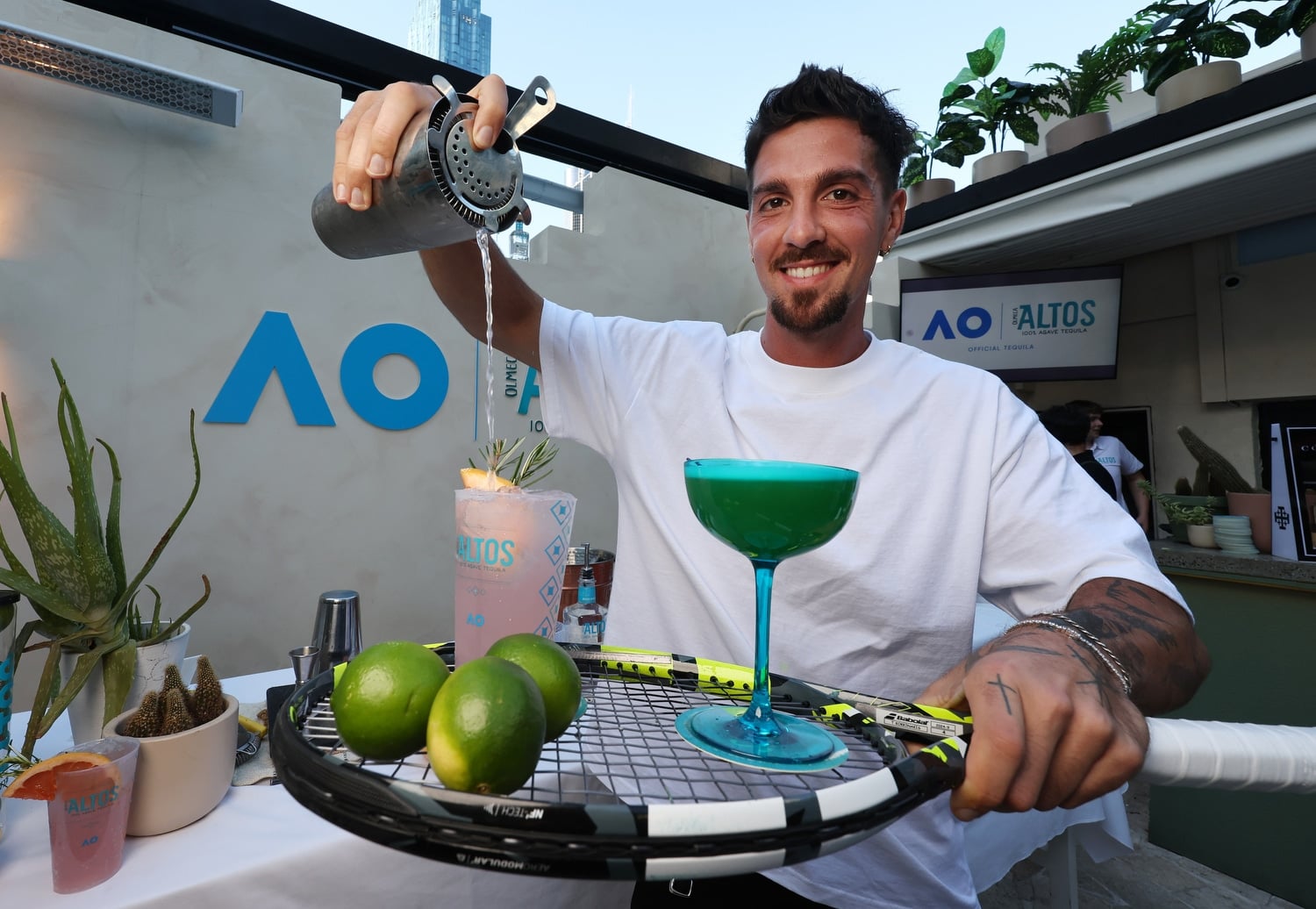
Altos Tequila threw tennis etiquette out the window and subbed in atmosphere. Altos whisked you away into a Jalisco beachside experience, turning the activation into a landmark, bringing together social connection over their picturesque Paloma and a lasting brand impression that kept their drinks and name in the mouths of spectators.
REA Group was the underdog. REA turned Pat Rafter into a cultural connector rather than a standard endorsement. They got Pat to swap his racket for real estate, heading up agency Rafter & Co. to market Australia’s number one address in tennis – 1 Olympic Boulevard – brought to life by broadcast, digital as well as their owned network that included a real listing on realestate.com.au and a hotline to Pat himself. A reminder that owned assets can still win in a world obsessed with activations.
This year, the AO was as much a temporary cultural hub as a global sporting tournament with sponsors. In many ways, a lifestyle precinct where brands are judged not on scale, but on their ability to seamlessly form part of the cultural experience.
For brands, the takeaway is simple: At the AO, you can’t win by simply paying to play. You win by earning a place on the podium. Looking forward, the scoreboard that really matters mightn’t just be on the court, but in culture.