



ChatGPT is set to become a whole lot more visual, with OpenAI rolling out a new ‘Intelligent UI’ designed to give users more than just walls of text when they ask a question.
But while the move could open up a new playground for brands and advertisers, one brand experience expert has warned marketers not to get too excited about the opportunity just yet.
The new interface will integrate more visual responses into ChatGPT, with users set to see everything from diagrams and maps to product comparisons, calculators and other interactive elements.
During a recent media call, reported by TechCrunch, OpenAI product manager Aarush Selvan said that while ChatGPT has predominantly been a text-based interface, the company wants to help users “get things done” because the most helpful answers are not always text.
As an example, Selvan demonstrated a college student asking ChatGPT to “explore how an airplane wing generates lift”, with the chatbot generating a series of diagrams explaining how planes stay in the air.
Other examples included visual recipes, bicycle mechanics, hiking maps and personal savings calculators.

The shift raises an obvious question for the advertising industry: if ChatGPT is becoming more visual, could those visuals eventually become another place for brands to appear?
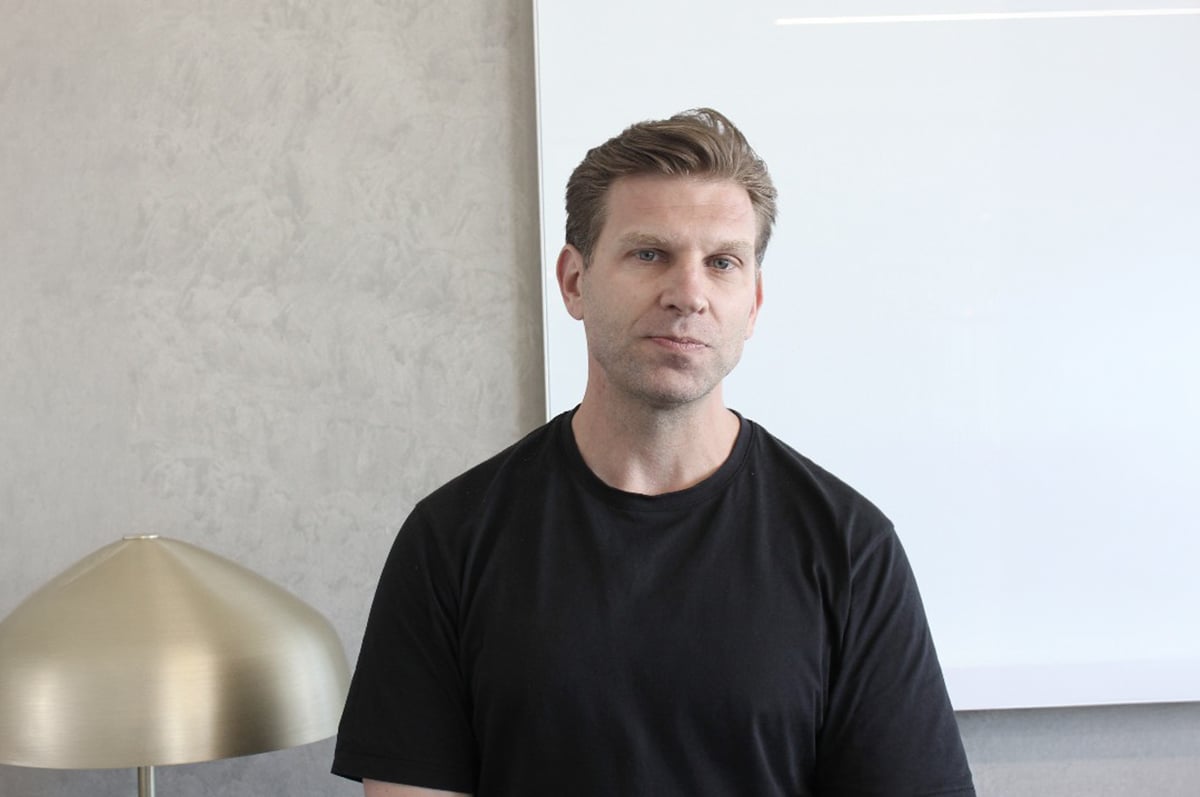
FutureBrand brand experience and innovation director Sam Hughes told B&T that while the new format could create opportunities for brands, marketers should remember just how small the potential advertising real estate may be.
“It’s a small piece of the pie,” Hughes said.“People overwhelmingly use ChatGPT for words, and OpenAI’s own data puts multimedia at under eight per cent of messages. The visual ads sit inside image generation, so they’re reaching a slice of a slice.”
Hughes said visual answers could nevertheless prove valuable when users are actively looking to compare or discover products.
“Visual answers are useful, and comparing products is easier when you can see them,” he said.
However, he believes this likely to become a new way to sell space, rather than be a new way to discover products.
Hughes compared the potential development to the evolution of Google Ads, where advertisements sit alongside search results.
“Branded products in an LLM looks a lot like Google Ads,” he said.“Ads sat next to search results, and over time the line between them got harder to see. The difference is that search gave you options. AI gives you a recommendation.”
Could this cause a trust issue?
With an AI chatbot increasingly providing a single answer rather than a list of links, Hughes said the presence of paid placements could also raise questions around trust.
“They are saying the second won’t influence the first, but if/when people start to lose trust in the response’s independence, it loses value for everyone,” he said.
There is also the question of whether users actually have any intention of buying when they are generating visual content.
“The first question is before ‘is this an advertising opportunity’ is: Am I even trying to buy something?” Hughes said.“Someone generating an image in ChatGPT is more likely making a cat meme for a group chat than planning a dinner party.”
He said there could be a genuine opportunity when the user’s intent and the brand’s product naturally align.
“A living room mood board might be a real opportunity for IKEA,” he said. “But a prompt to turn my friend into a banana doesn’t mean I want to see the Coles specials.”
Hughes also questioned what the commercial model could eventually look like as OpenAI expands its visual capabilities.
“From an OpenAI point of view I’m interested to see where this is taken. Is the natural product extension that once you’ve used up your token allowance you’ll get product placements in your generated images? Not sure how people would feel about that.”
And for those marketing side, Hughes said the rise of AI does not necessarily mean the fundamentals of brand building have changed.
“Marketers should be thinking about the same thing they always have, the rules haven’t changed,” he said.
But he argued that AI is reducing the friction involved in discovering products and recommendations, meaning brands may have fewer opportunities to make themselves memorable.
“At FutureBrand we talk about meaningful friction. Which means a moment people stop for because it’s worth stopping for,” Hughes said.
“Those moments make a brand memorable, and memorable brands get talked about.”
And that could matter even more as AI becomes a new gateway between consumers and brands.
“These models learn from what people write, review and recommend. If people aren’t talking about you, the machine won’t either.”


