



Who’d be the CEO of a major multinational business, eh?
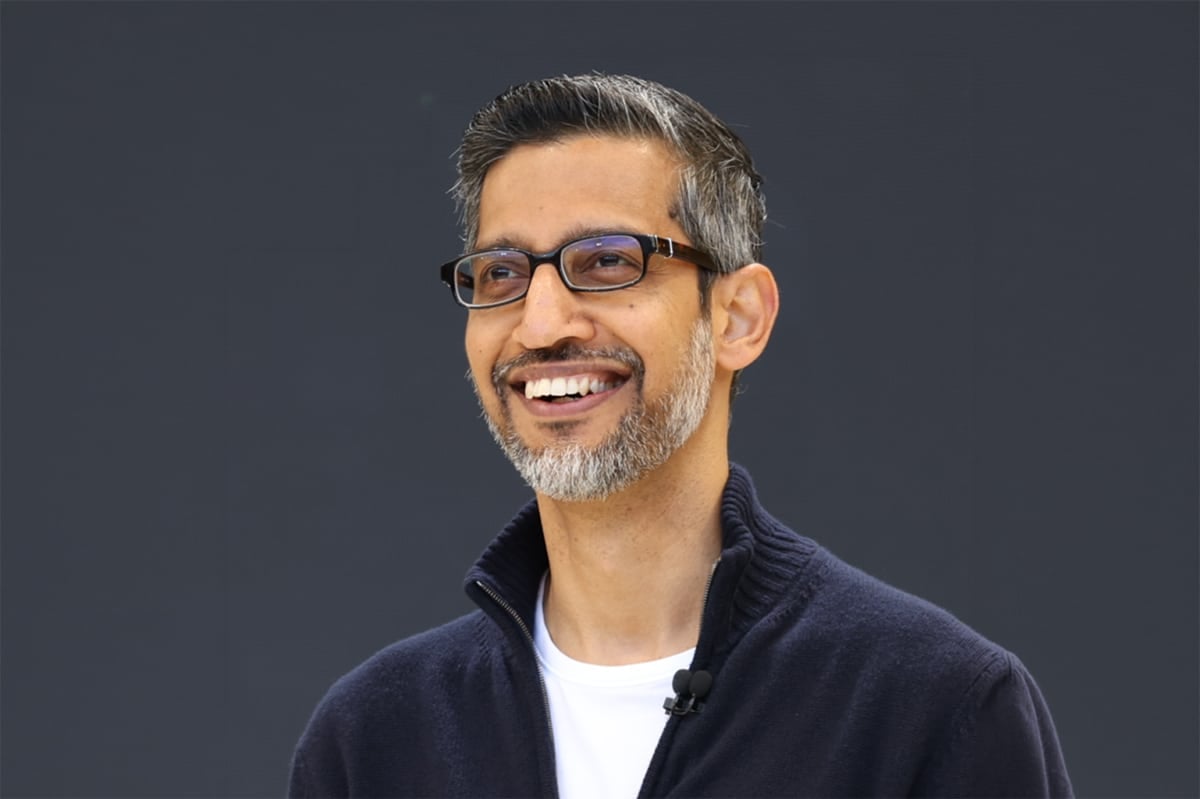
Sundar Pichai, CEO of Alphabet, the parent company of Google, must have had one helluva time in the aftermath of its Q3 earnings.
The call with investors started off strong: Alphabet grew its revenue a quarter year-on-year to a quite ludicrous $127.6 billion (AU$181.77 billion).
But before the end of the day, more than $395 billion (AU$560 billion) would be lost from Google’s value. As noted in the AFR’s Chanticleer column, that’s more than two Commonwealth Banks.
“We’re now at a half‑trillion‑dollar annual run rate. That’s remarkable growth,” Pichai said.
“Search has strong momentum. Our AI investments are driving increased usage and overall query growth, including commercial queries. In fact, our year‑over‑year query growth rate is the highest it’s been in the last five years.”
Its revenue in Google Search and other services businesses climbed 11 per cent to US$96.3 billion. But this was lower than expectations.
YouTube Ads revenue increased 9 per cent year-on-year to $11 billion. APAC revenue, which includes Australia and New Zealand, increased 11.7 per cent to $19.9 billion.
Its operating expenses climbed 20 per cent year-on-year, to $35 billion. Its R&D spending increased 36 per cent to $20.6 billion. The company’s overall capital expenditure more than doubled year-on-year to US$50 billion.

Google’s SVP and chief business officer Philipp Schindler said Search missed expectations due to some extenuating circumstances and Google’s belief that AI mode is the future. Currency fluctuations were the “single largest driver of Search deceleration relative to Q2,” he said.
“In retail, some of our APAC advertisers were impacted by the EU eliminating its de minimis exemption. In media and entertainment, spend normalised after an unseasonably strong Q2 driven by the FIFA World Cup,” Schindler added.
“The strong growth in AI Mode queries had an impact because of the lower monetisation we were seeing in AI Mode. To be clear, we feel very good about our trajectory here.”
Schindler continue to field questions from analysts about the direction of travel for its advertising-based Search revenue as the lower-monetised Gemini AI answer bots continue to grow and agentic shopping enters the market.
“We’re in the early days of agentic, but… we view agentic experiences as clearly additive,” he said.
“When users shop… there’s a part of the journey they don’t like, the grunt work, which is frankly fantastic to automate with AI. But we also want to enhance, not just automate away the discovery experience that people frankly love in so many cases. Users like choice and they want to consider things way beyond price, like brand loyalty, customer service, and so on…
“So, simple example, an agent could respond: Here is the insurance product that we found, and here’s another strong option, one of which is a higher premium, maybe a lower deductible, and they’re currently offering a very special discount… we’re actually confident that we can actually provide really interesting, compelling advertising models for agentic use cases. And obviously, you can imagine going beyond this with Subscriptions and other payment methods.”
Anat Ashkenazi, SVP and CFO for Alphabet and Google said during the call that these problems are unlikely to go away any time soon.
“In Google Services, we will continue to lap the Search performance acceleration that began in the third quarter last year, which will pressure revenue growth in Q4,” he said.
“Moving to investments, our full‑year 2026 CapEx guidance range of $195‑$205 billion remain unchanged. We continue to expect our CapEx to increase significantly in 2027… the significant increase in our investment in technical infrastructure will continue to weigh on the P&L in the form of higher depreciation expenses and related data centers’ operation costs such as energy.”
The market did not react well. Halfway through the call, Google’s stock was down more than 10 per cent. At the time of writing, it was down nearly 12 per cent from the start of Wednesday.
Google is not the only company to have met with market uncertainty on AI lately. Aussie data centre infrastructure startup Firmus had its IPO canned in spectacular fashion after the market cooled on its potential. NextDC has also had to put data centres on hold in Melbourne after it has had issues generating revenue.
Are we looking at canaries in the AI coalmine?


